
quality control in Rigid flex pcb supplier
Ensuring quality control in the production of rigid-flex printed circuit boards (PCBs) is a complex and multifaceted task. Rigid-flex PCBs are used in demanding applications where reliability and performance are critical, such as aerospace, medical devices, and high-end consumer electronics. Therefore, rigid-flex PCB suppliers must implement rigorous quality control measures at every stage of the manufacturing process to meet industry standards and customer expectations.
The first step in ensuring quality control is thorough design verification. Before manufacturing begins, the design of the rigid-flex PCB undergoes a comprehensive review process. This includes design rule checks (DRC) to ensure the layout meets all specified requirements and constraints. Engineers use advanced computer-aided design (CAD) tools to simulate and verify the electrical performance and mechanical integrity of the design. This stage helps identify and correct potential issues that could affect the final product’s performance.
Material selection and inspection are critical for maintaining quality. rigid flex pcb supplier require materials that can endure both the mechanical stresses of bending and the thermal stresses of manufacturing processes like soldering. Suppliers must select high-quality materials such as FR-4 for rigid sections and polyimide for flexible sections. Each batch of materials is inspected upon arrival to ensure it meets the required specifications. This includes checking for proper thickness, flexibility, and thermal properties.
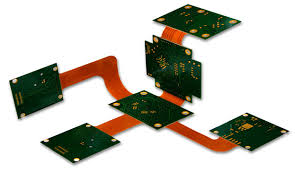
How do you ensure quality control in Rigid flex pcb supplier?
During the fabrication process, multiple quality control steps are implemented to monitor and verify the integrity of the PCB at each stage. For instance, the lamination process, which bonds the rigid and flexible sections, must be precisely controlled. Advanced lamination techniques and equipment are used to ensure that the layers are aligned correctly and bonded without defects such as air bubbles or misalignments. Inspection of the laminated structure using automated optical inspection (AOI) systems can detect and rectify issues early.
Drilling and plating are other critical steps where quality control is essential. Precision drilling is required to create vias that connect different layers of the PCB. These vias are then plated with copper to form conductive pathways. Any misalignment or irregularity in this process can lead to connectivity issues or mechanical weaknesses. AOI systems and X-ray inspection are used to ensure that the drilling and plating processes produce consistent, defect-free results.
The imaging and etching processes, which define the circuit patterns on the PCB, also require meticulous quality control. Photomasks used in the imaging process must be accurately aligned, and the etching process must be carefully controlled to avoid over-etching or under-etching. AOI systems are used again to inspect the etched patterns for any defects or deviations from the design specifications.
After the circuit patterns are defined, a solder mask is applied to protect the circuitry. Ensuring the solder mask is applied correctly and cured properly is crucial for preventing solder bridges and shorts during the assembly process. Inspections ensure that the solder mask covers the necessary areas while leaving solder pads exposed.
Component assembly is another stage where quality control is paramount. Surface-mount technology (SMT) and through-hole components must be placed accurately and soldered securely. Automated pick-and-place machines, reflow ovens, and wave soldering machines are used to ensure consistent and precise placement and soldering of components. Post-assembly inspections, including AOI and X-ray inspection, check for proper component placement, alignment, and solder joint integrity.
Finally, comprehensive testing and inspection are conducted on the finished PCB. Electrical testing verifies that all circuits are functional and meet performance specifications. Flex cycling tests and thermal cycling tests are conducted to simulate real-world operating conditions and ensure the PCB can withstand the mechanical and thermal stresses it will encounter. Functional testing, burn-in tests, and environmental stress tests further ensure the reliability and performance of the final product.
In conclusion, ensuring quality control in the production of rigid-flex PCBs involves a series of detailed and rigorous processes. From initial design verification and material inspection to precise fabrication, assembly, and thorough testing, each step is critical to delivering a high-quality product. Rigid-flex PCB suppliers must employ advanced tools, technologies, and methodologies to maintain the highest standards of quality and reliability in their products.