WorldAnimalFoundation.org is reader-supported. When you buy through links on our site, we may earn an affiliate commission. Learn More
Did you know that nearly 78% of families with autistic children report noticeable improvements in their child’s social skills and emotional well-being after introducing a dog into their home? It’s no surprise—dogs offer more than just companionship; they provide comfort, routine, and a calming presence that can make a world of difference for individuals on the autism spectrum.
But not all dogs are suited for this role. Some breeds have an exceptional ability to understand emotions, provide sensory relief, and offer the structured support that many autistic individuals thrive on.
So, what makes a dog truly autism-friendly? In this guide, we’ll explore the best breeds that offer more than just love—they bring comfort, security, and a life-changing connection that can help autistic individuals navigate the world with confidence.
Autism Friendly Dog Breeds
1. Saint Bernard
Known as one of the most gentle giants, Saint Bernards are incredibly patient and kind, making them a wonderful choice for children with autism. Their calm and affectionate nature allows them to provide emotional support and comfort, especially in moments of stress or sensory overload.
These loyal companions form deep bonds with their families and instinctively offer reassurance when needed, making them one of the best autism-friendly dog breeds.
Despite their large size, Saint Bernards are known for their calming influence rather than their energy levels. They adapt well to different living environments and can be trained to perform specific tasks, such as guiding or applying deep pressure therapy to help with sensory regulation. Their ability to remain composed in unpredictable situations makes them a great fit for families seeking a service dog or therapy dog.
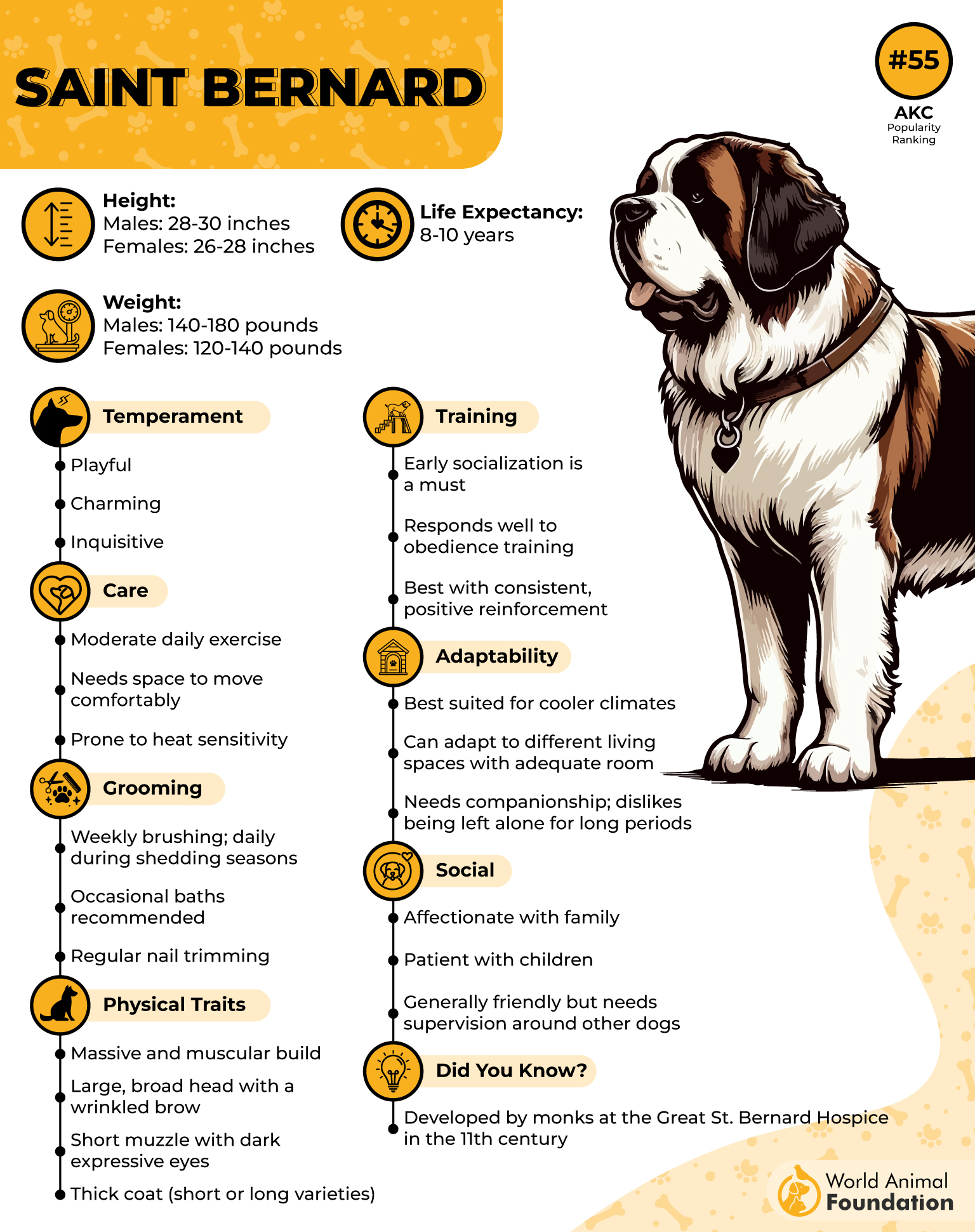
Training a Saint Bernard requires proper training and consistency, but their patient temperament makes them relatively easy to train, according to Britannica. While they do not require extensive physical activity, regular gentle walks help them stay healthy and engaged. Their accepting nature allows them to interact with small children and other pets, fostering social engagement for autistic individuals.
One thing to keep in mind is that Saint Bernards shed excessively, so they may not be the best fit for those with allergies. However, their unconditional love and calm temperament far outweigh this minor drawback for many families. With the right care and training, a Saint Bernard can provide invaluable support and companionship, enhancing an autistic child’s overall well-being.
2. Bernese Mountain Dog
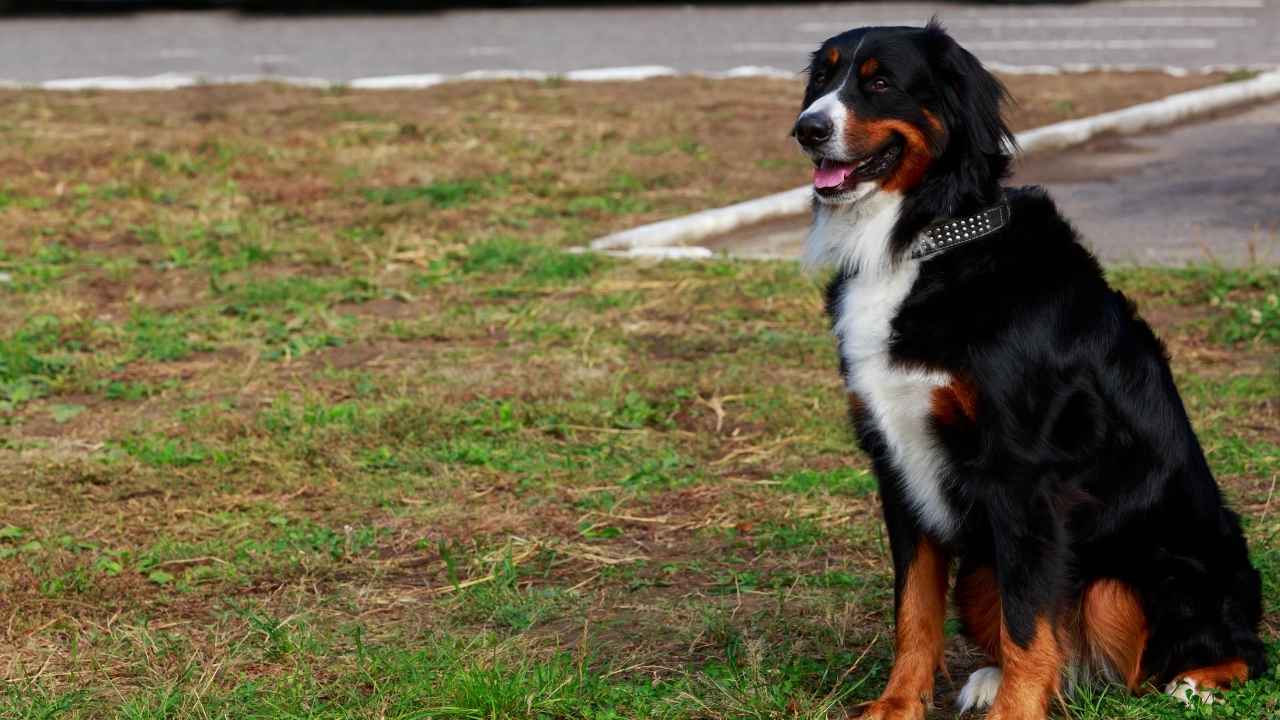
If you’re looking for a dog that exudes warmth, Bernese Mountain Dogs are a fantastic choice for autistic individuals. Known for their calm and patient temperament, these gentle giants thrive in family environments, offering companionship and emotional regulation.
Their ability to stay composed, even in stressful situations, makes them an excellent choice for children who experience sensory sensitivities or self-regulation challenges.
Unlike some service dog breeds, Bernese Mountain Dogs are naturally affectionate without being overly demanding. They excel at providing a calming influence, which can help autistic individuals feel safe and grounded. With proper training, they can also perform specific tasks to assist with emotional or sensory overload situations.
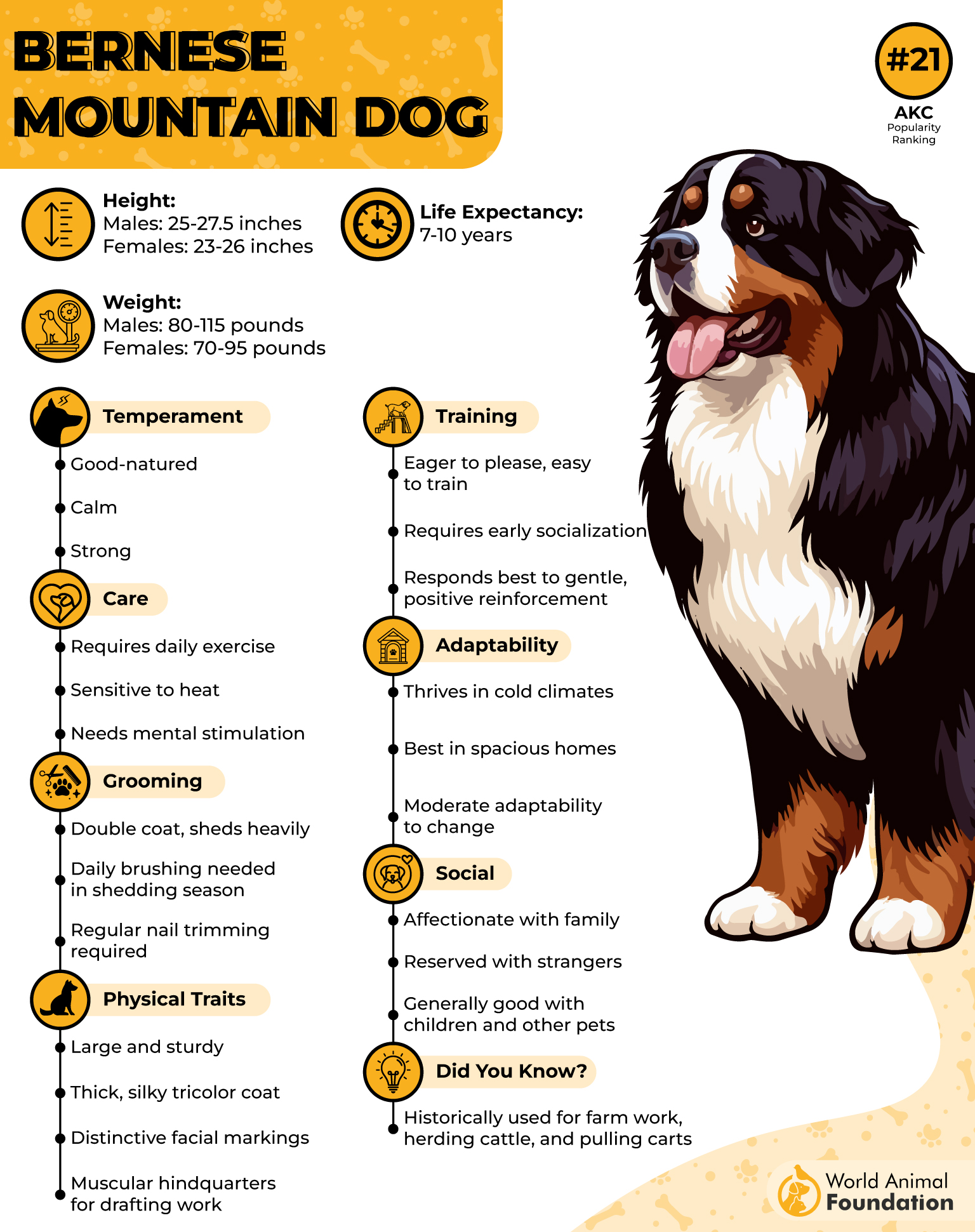
According to WebMD, one of the key advantages of Bernese Mountain Dogs is their friendly nature. They are highly social, making them great for fostering social interaction in autistic individuals who may struggle with communication. Their loyal companionship offers both security and encouragement, helping to build confidence and emotional stability.
Although they are great family dogs, Bernese Mountain Dogs do require space to move around and a home that can accommodate their size. Regular exercise is important for their well-being, but they are not excessively energetic. Additionally, like Saint Bernards, they tend to shed excessively, so grooming is an essential part of their care.
For families looking for a perfect companion that provides unconditional love, security, and emotional balance, a Bernese Mountain Dog is a top contender among dog breeds for autism. Their patient nature, intelligence, and ability to reduce anxiety make them an ideal addition to homes seeking a comforting, autism-friendly dog.
3. Great Pyrenees
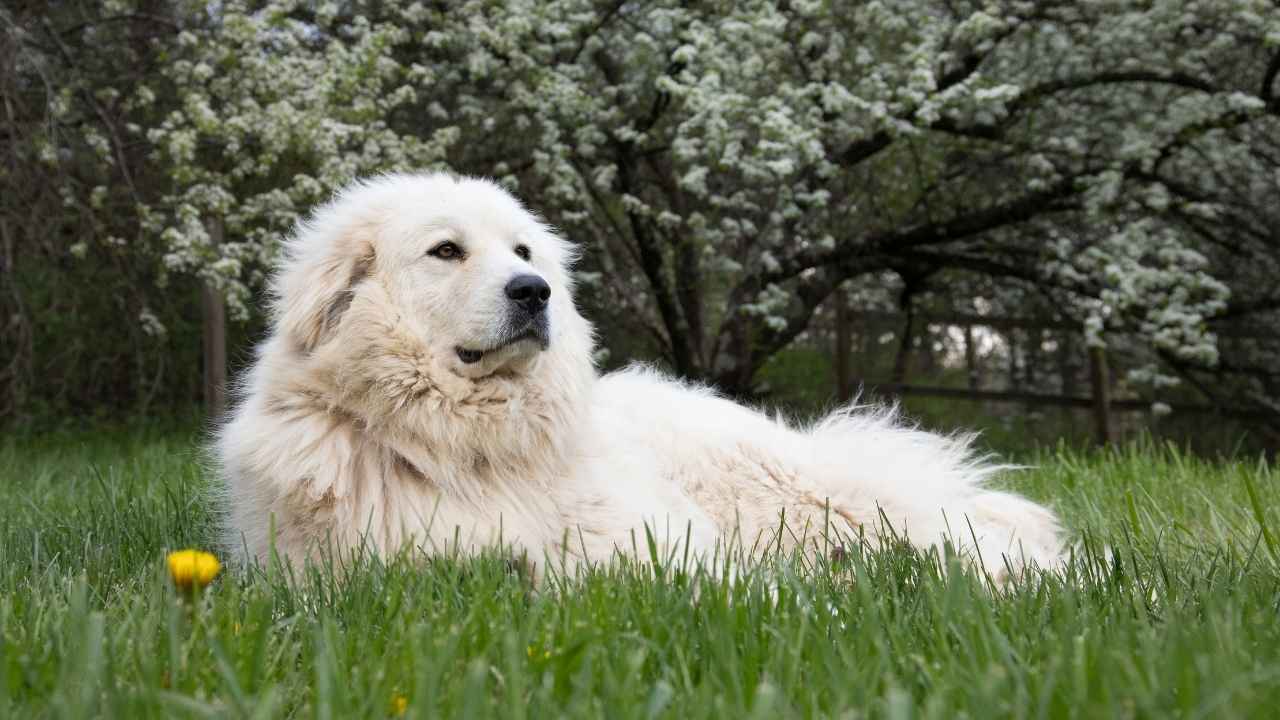
The Great Pyrenees is a natural guardian with an incredibly calm temperament, making it an excellent companion for autistic individuals. Known for their gentle nature, these dogs are protective without being aggressive, providing a calming influence in high-stress situations.
Their unwavering loyalty ensures they stay close to their family, offering emotional support and security, especially for those with sensory sensitivities.
One of the standout qualities of the Great Pyrenees is its ability to perform specific tasks that benefit autistic individuals. Many are trained in deep pressure therapy, where they apply their weight to provide comfort and aid in sensory regulation. Their patient temperament also helps in reducing anxiety and preventing self-harmful behaviors in children on the autism spectrum.
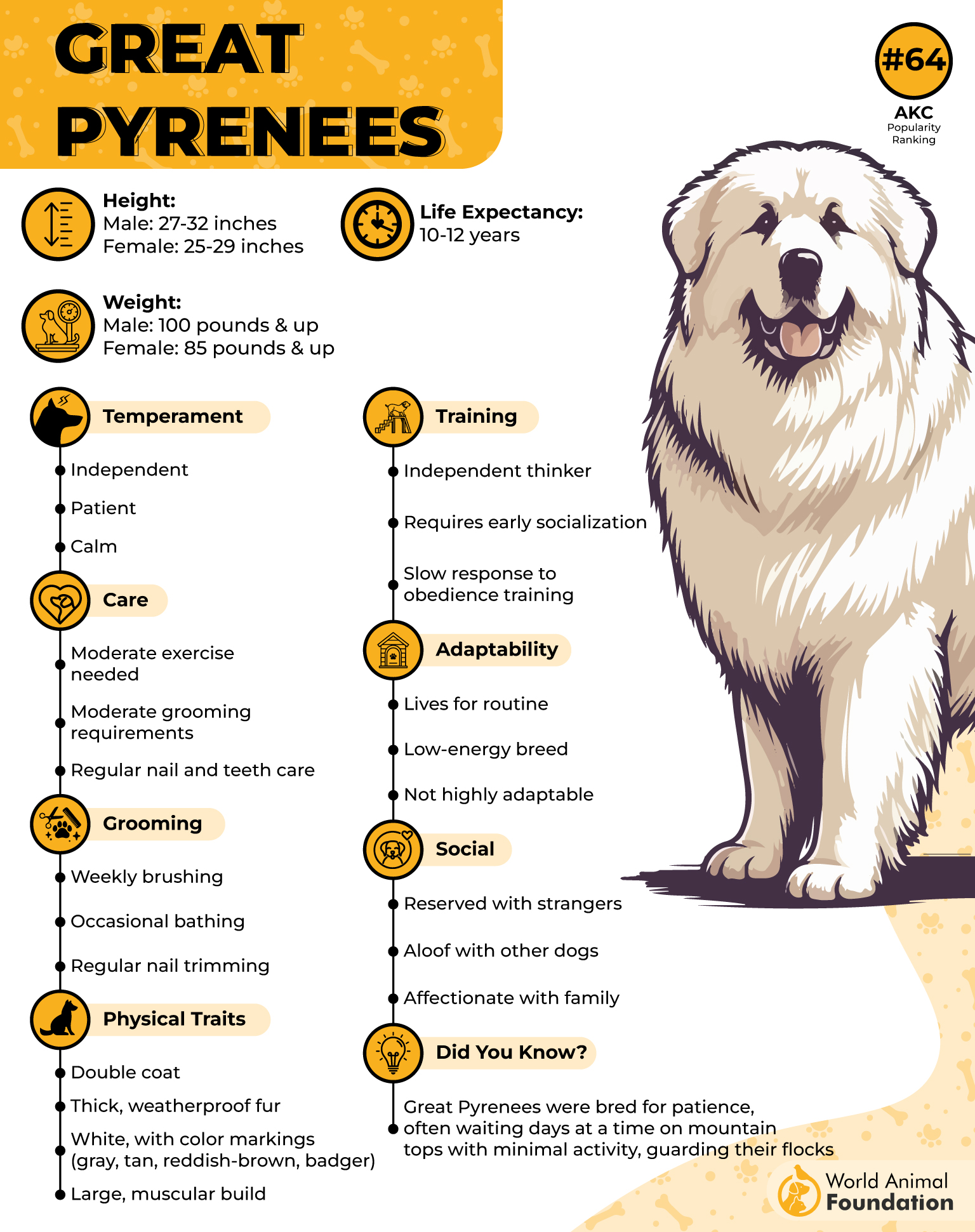
Despite their size, these loyal companions are known for being gentle with small children and other pets. They do best in homes with ample space, as they enjoy patrolling their surroundings. While they are not overly energetic, they require moderate exercise and proper training to ensure they remain well-behaved and responsive.
Grooming is an essential part of caring for a Great Pyrenees, as they shed excessively, especially during seasonal changes. However, their affectionate nature and ability to provide invaluable support far outweigh the extra maintenance. With their strong protective instincts and calming influence, they make fantastic companion dogs for families seeking an autism-friendly dog breed.
4. Labrador Retriever
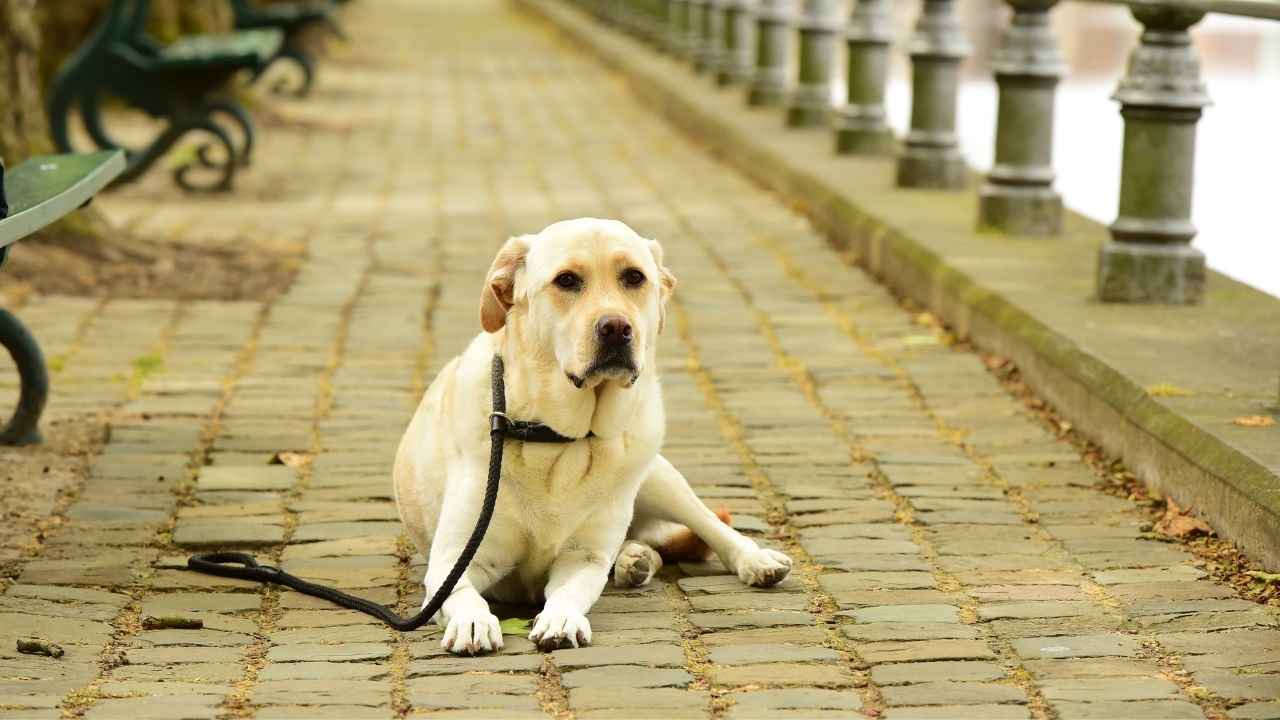
The Labrador Retriever is one of the most beloved service dog breeds, and for good reason. Their friendly nature, intelligence, and eagerness to please make them one of the best autism-friendly dog breeds. Labs have a natural ability to read body language, offering invaluable support to individuals on the autism spectrum disorder by providing comfort and promoting social interaction.
As highly trainable dogs, Labradors excel at performing specific tasks for autism service dogs. They can be trained to prevent self-harmful behaviors, apply deep pressure therapy, or even assist with navigation in public spaces like grocery stores. Their ability to follow commands with ease makes them a top choice for families seeking a service dog or therapy dog.
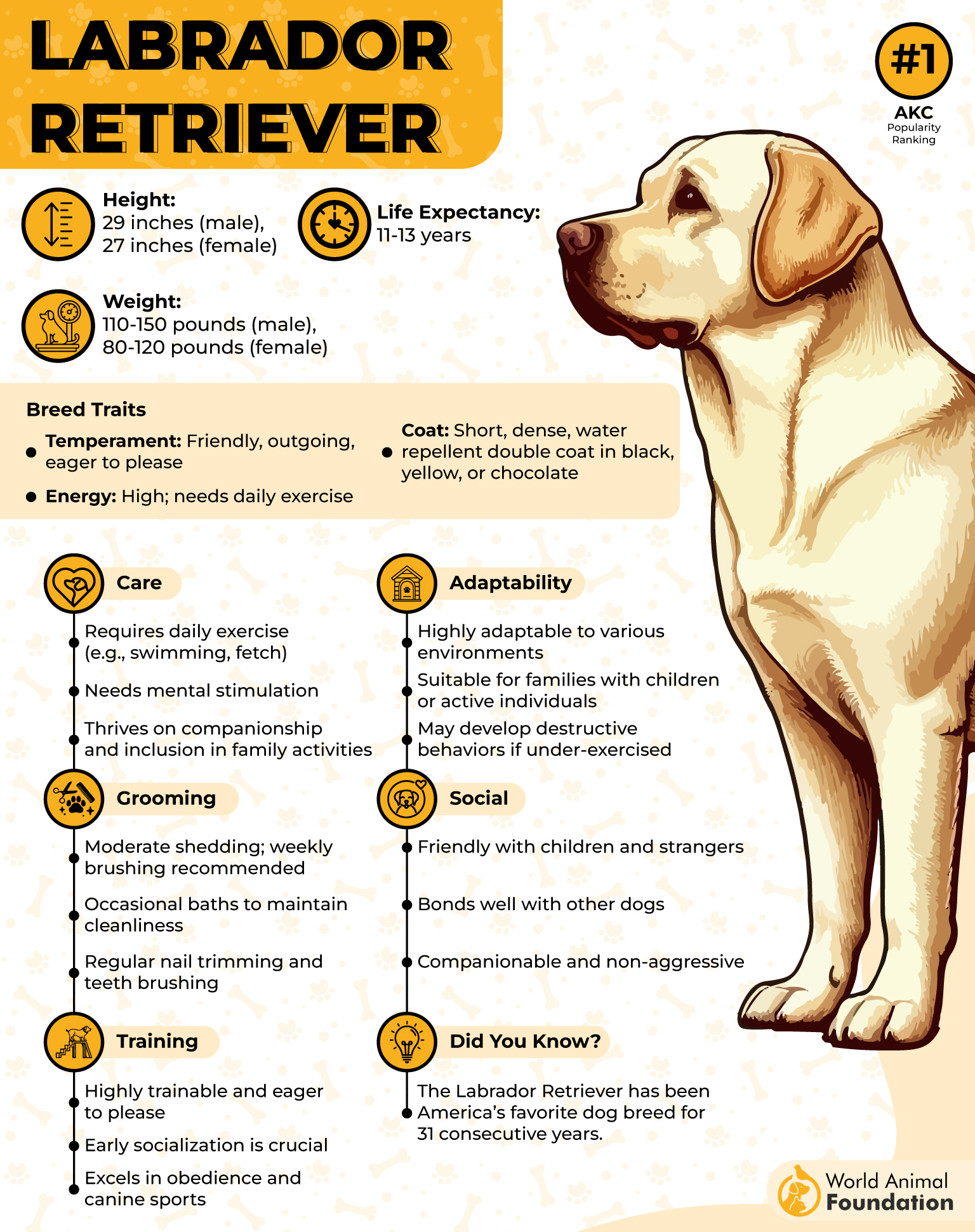
One of the key advantages of Labrador Retrievers is their adaptability. They thrive in both active and relaxed households, making them an ideal fit for children with sensory sensitivities who may need a dog that adjusts to their needs. Whether it’s engaging in playtime or offering a calming influence, Labs are always ready to provide unconditional love.
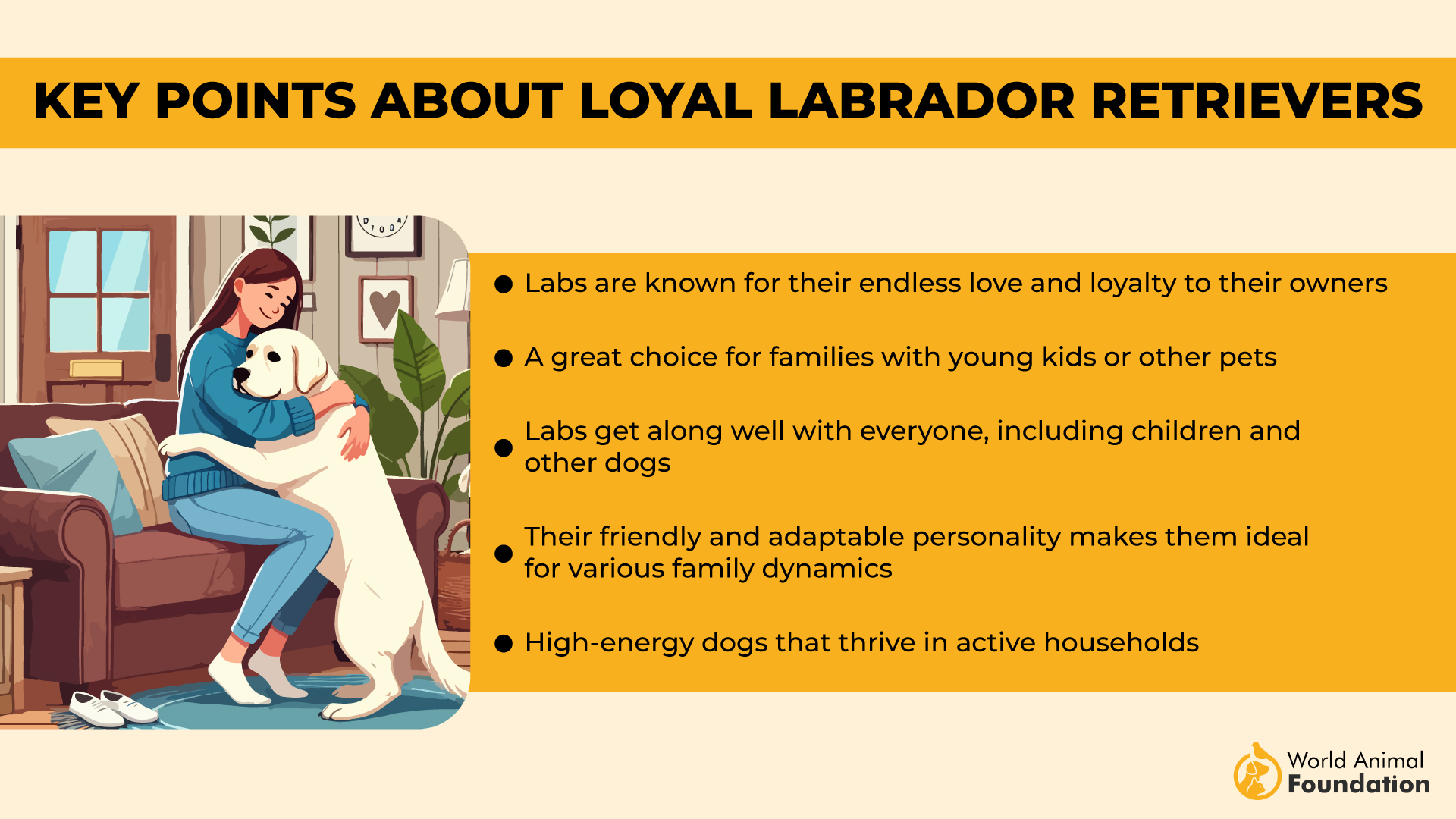
Though they are relatively low-maintenance, Labradors do require regular exercise to stay happy and healthy. Their social skills make them great at helping autistic individuals build confidence and engage more with their surroundings. While Labs do shed, their short coats make grooming easier compared to other best dog breeds for autism.
For families looking for a perfect companion that is loyal, patient, and affectionate, the Labrador Retriever is a fantastic choice. Their ability to provide emotional support, encourage social interaction, and adapt to different situations makes them one of the best dogs for autism.
5. Newfoundland
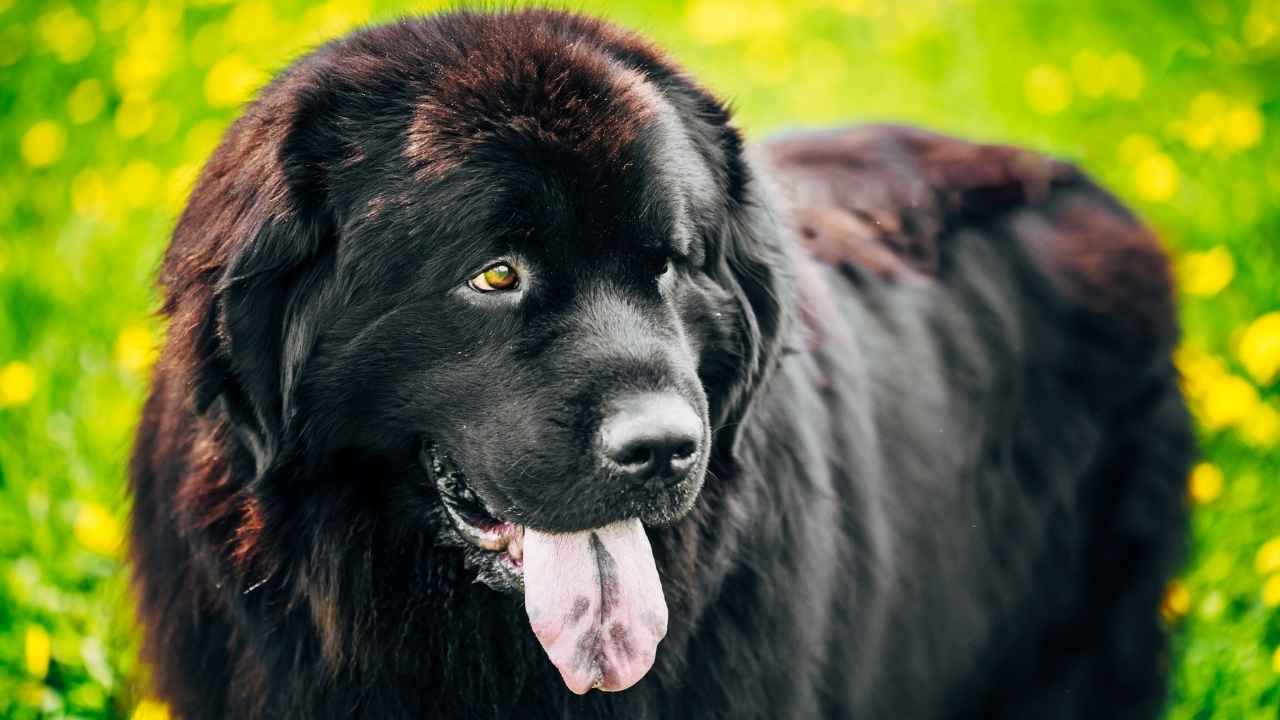
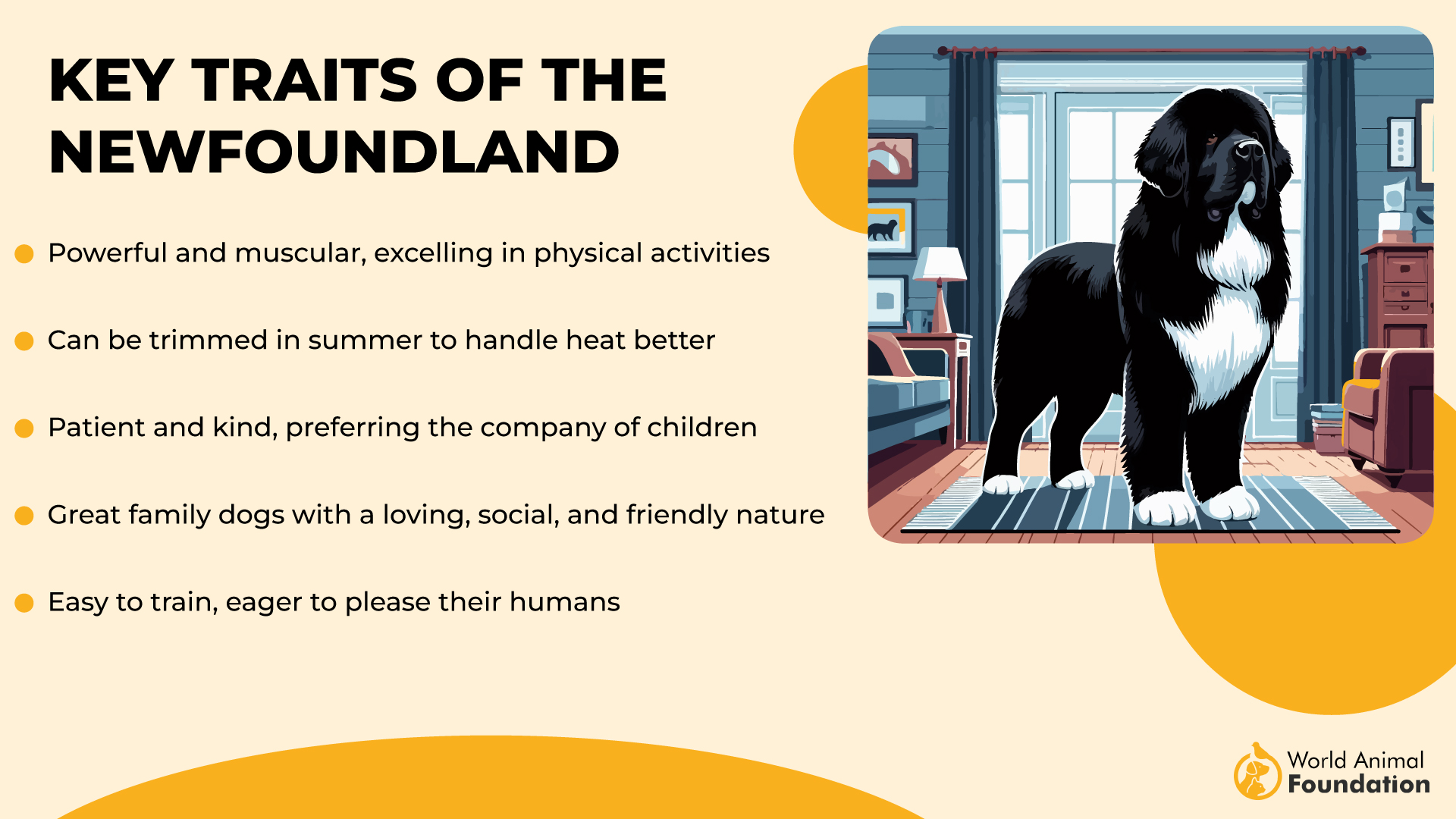
Often referred to as the gentle giants of the dog world, Newfoundlands are known for their calm and patient temperament, making them an ideal choice for families with autistic children. Their naturally affectionate nature and deep sense of loyalty create a calming influence, which can help individuals on the autism spectrum feel safe and supported.
Newfoundlands excel as companion dogs because they are highly intuitive and responsive to their owners’ emotions. They are particularly beneficial for children who experience sensory overload, as their presence alone can provide a grounding and reassuring effect.
Additionally, some are trained to perform specific tasks such as deep pressure therapy, helping to reduce anxiety and encourage self-regulation.
Despite their massive size, Newfoundlands are incredibly gentle with small children and other pets. They require regular but moderate exercise, making them well-suited for families that prefer a relaxed home environment. Their loyal companionship can encourage an autistic child to engage in social interaction and build confidence.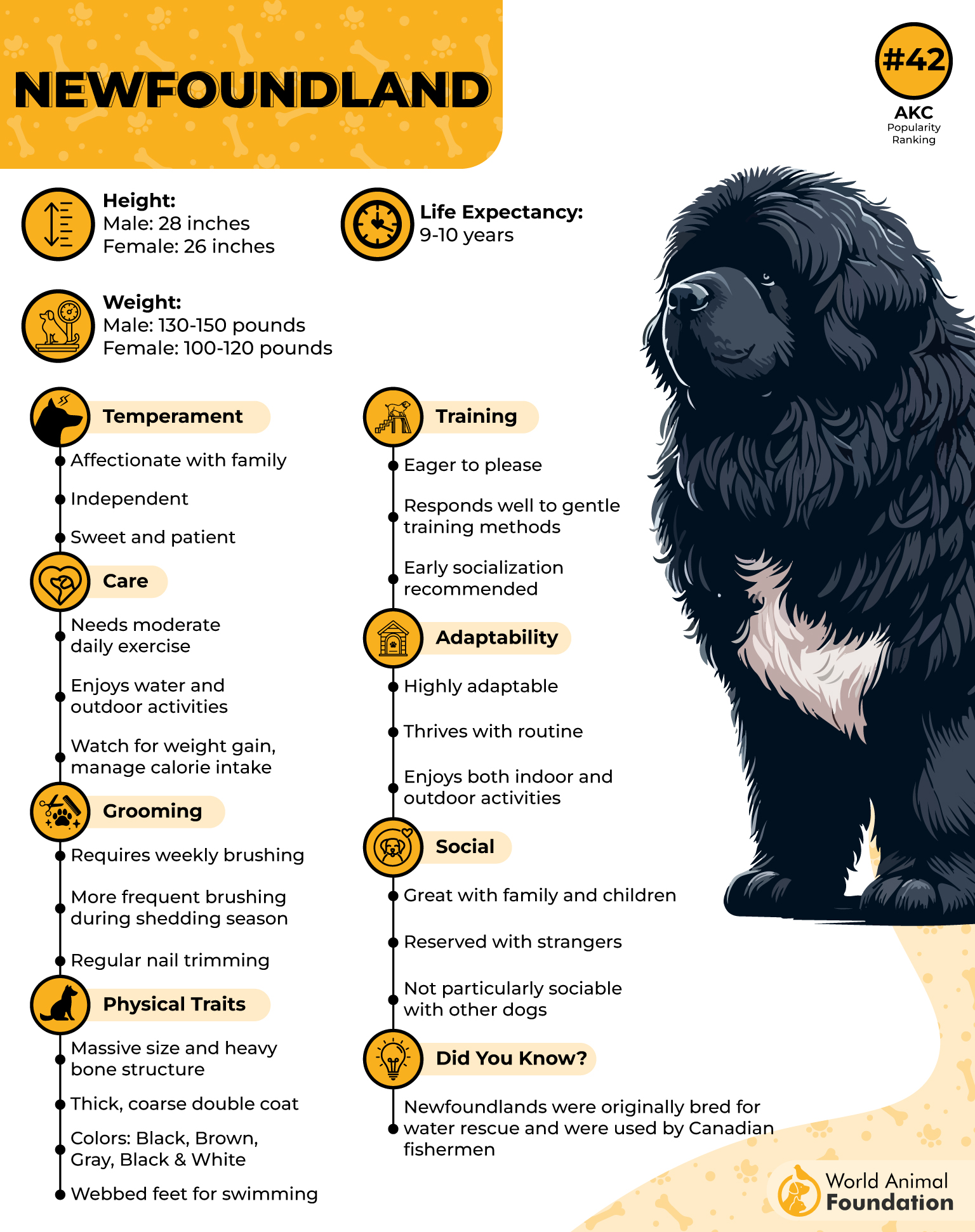
However, potential owners should be aware that Newfoundlands shed excessively and require consistent grooming to keep their thick coats manageable. Additionally, their large size means they need ample space to move around comfortably. With proper training, they become not only excellent family dogs but also wonderful autism service dogs for those needing invaluable support.
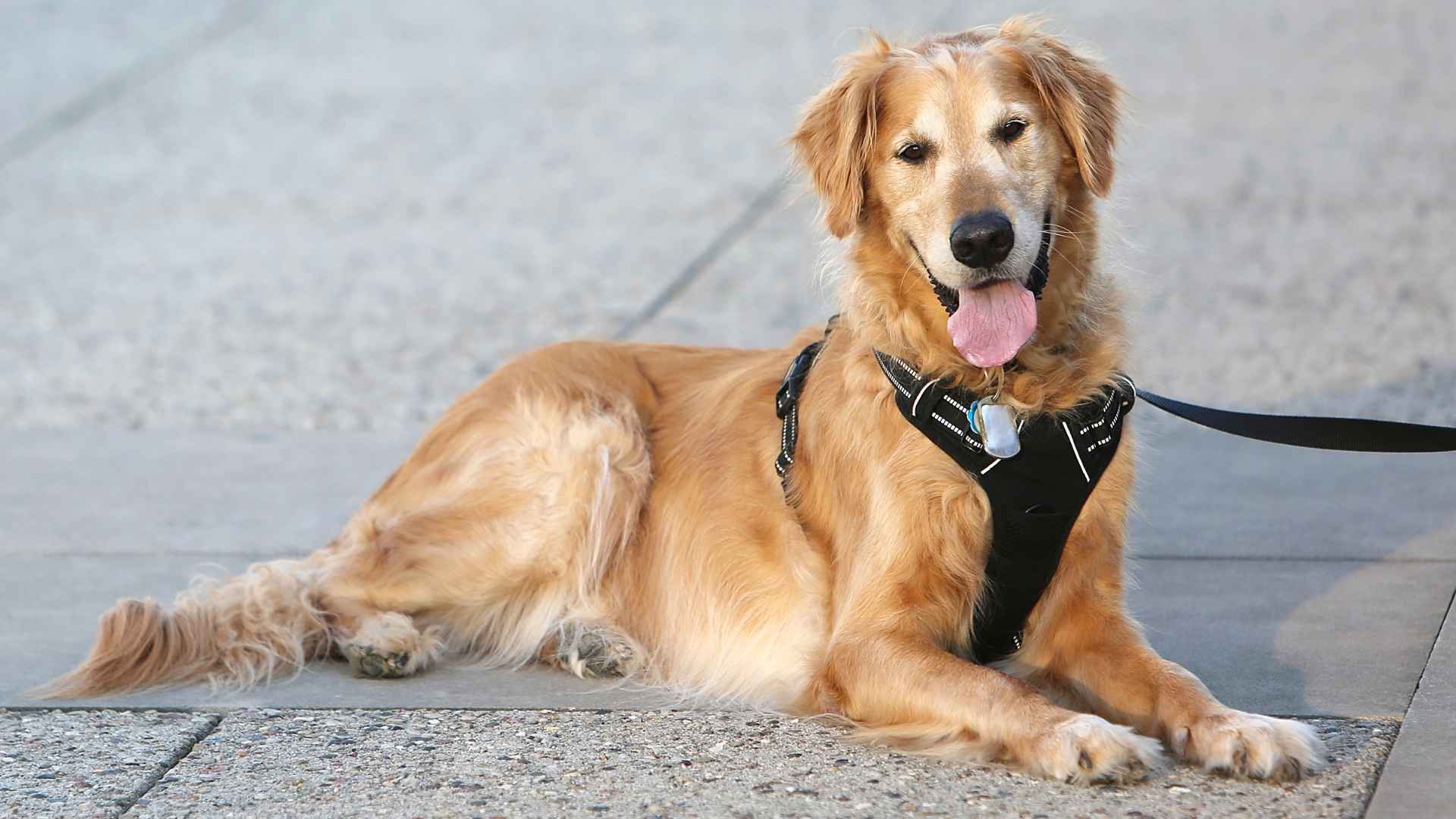
6. Golden Retriever
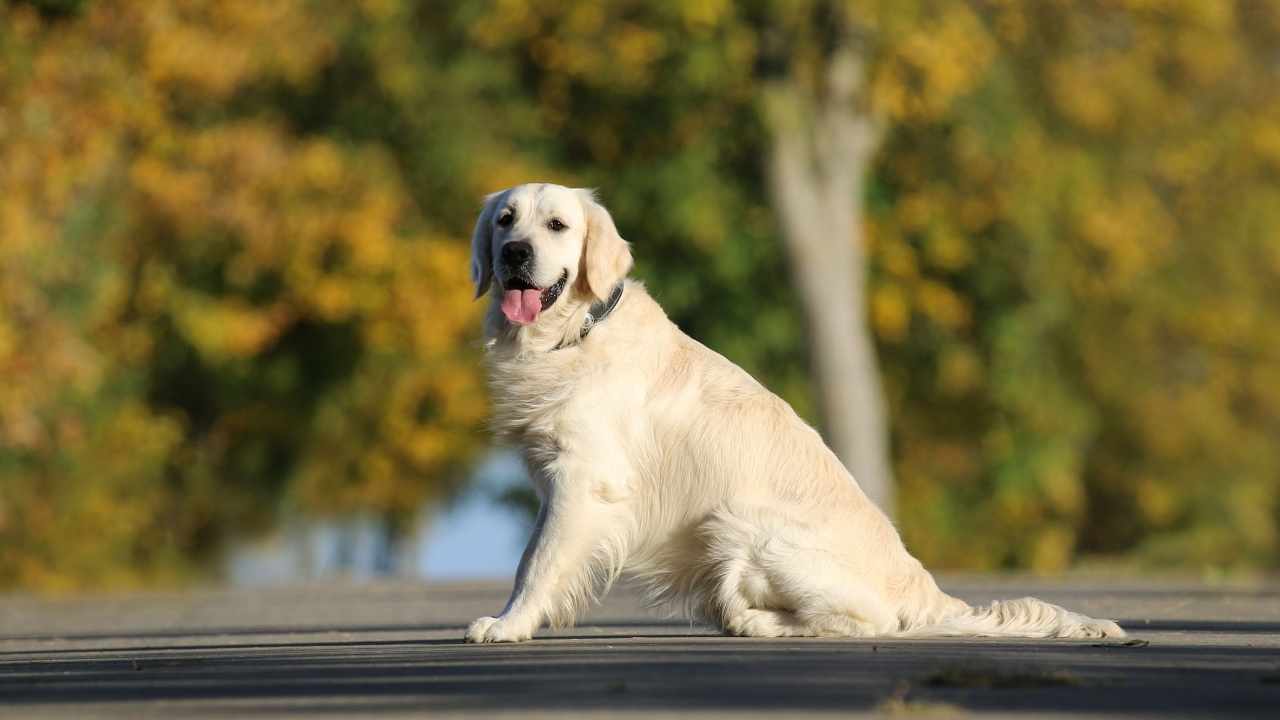
When it comes to autism-friendly dog breeds, Golden Retrievers are a standout choice. Their friendly nature, intelligence, and patient temperament make them one of the best dog breeds for autistic individuals. Known for their unwavering loyalty and gentle demeanor, they provide invaluable support to children with sensory sensitivities and social interaction challenges.
Golden Retrievers are widely used as service dog breeds, particularly as autism service dogs and therapy dogs. They are highly trainable and excel at performing specific tasks, such as deep pressure therapy, retrieving items, and even guiding individuals in overwhelming environments like grocery stores. Their natural ability to sense emotions makes them wonderful at providing emotional support.
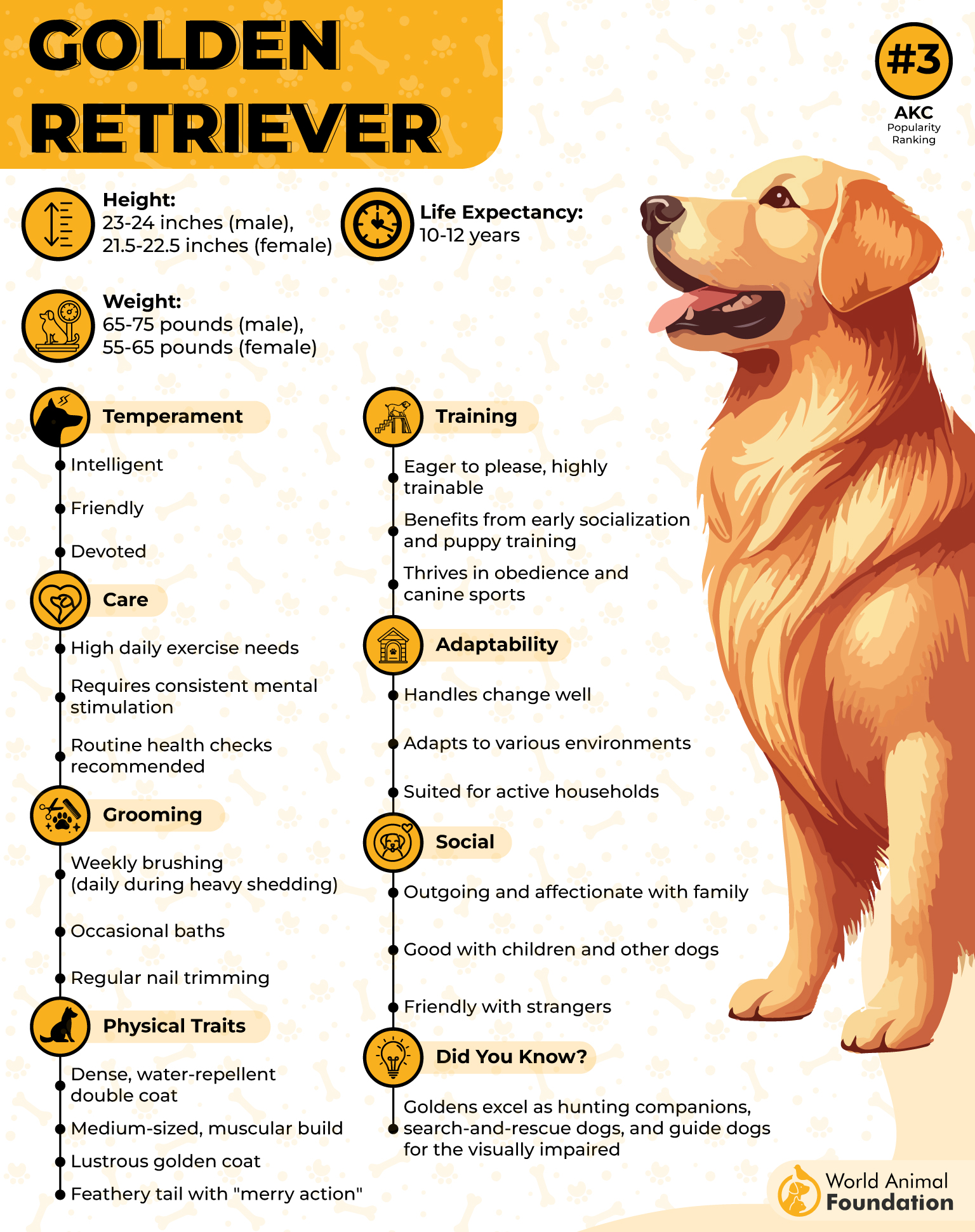
These loyal companions are incredibly social and enjoy engaging with their families. Their accepting nature encourages autistic individuals to build confidence, develop routines, and practice social skills in a safe and supportive environment. Whether playing outside or simply offering a comforting presence, Golden Retrievers help create a sense of stability.
While they are generally low-maintenance in temperament, Golden Retrievers do shed, requiring regular grooming. They are also highly energetic and thrive in families that can provide daily exercise and mental stimulation. However, their adaptable nature means they adjust well to various household dynamics.
For those seeking a companion dog that is loving, intuitive, and capable of providing invaluable support, the Golden Retriever is a top choice. Their ability to reduce anxiety, encourage self-regulation, and foster unconditional love makes them one of the best dogs for autism.
7. Labradoodle
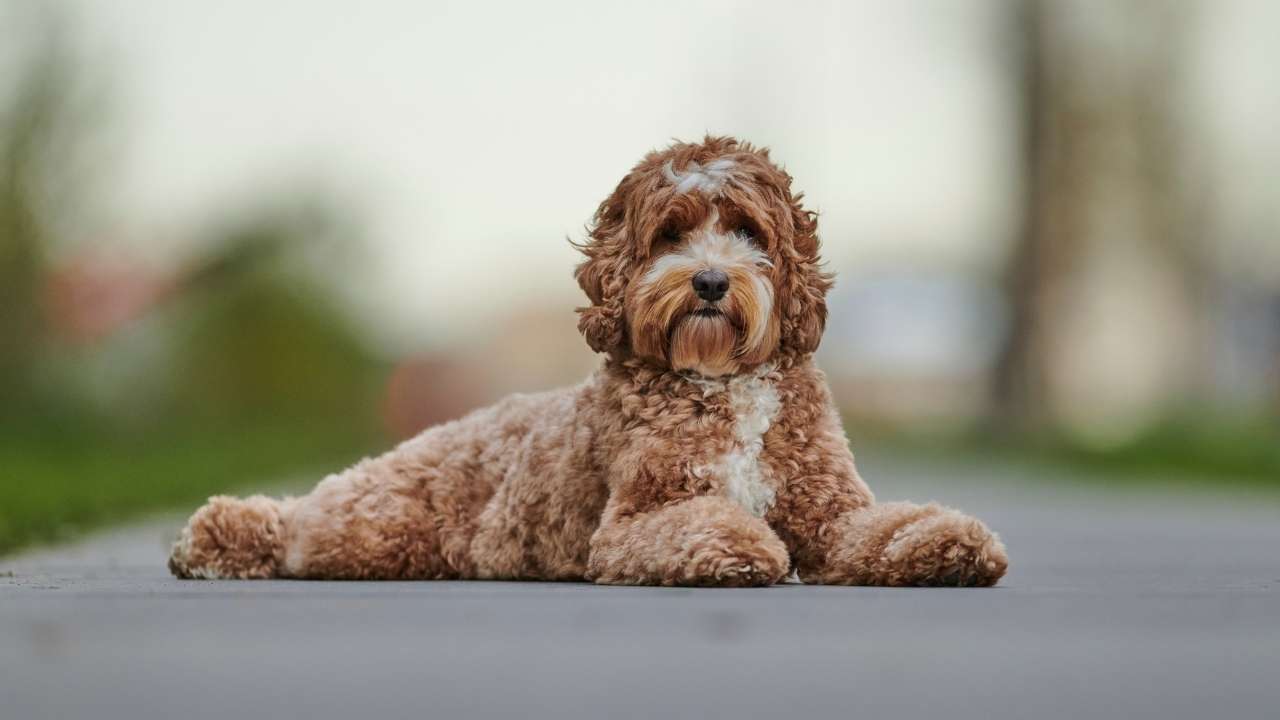
A cross between a Labrador Retriever and a Poodle, the Labradoodle is one of the most popular autism-friendly dog breeds due to its intelligence, affectionate nature, and hypoallergenic coat. These highly intelligent dogs combine the best traits of their parent breeds, making them an excellent choice for families with autistic children who may have sensory sensitivities or allergies.
Labradoodles are frequently used as autism service dogs because of their ability to perform specific tasks that assist individuals on the autism spectrum disorder. With proper training, they can help prevent self-harmful behaviors, provide deep pressure therapy, and offer a calming influence in stressful situations. Their natural eagerness to please makes them quick learners, which is essential for a service dog.
One of the key advantages of Labradoodles is their friendly nature and adaptability. They are social dogs that thrive on companionship and enjoy being part of a family. Their ability to foster social interaction makes them a great choice for autistic individuals who need encouragement in developing social skills.
Unlike many other best dog breeds for autism, Labradoodles are allergy-friendly due to their low-shedding coats, making them a great option for households where allergies are a concern. However, their coats do require regular grooming to prevent matting. They also need proper training and moderate exercise to stay mentally and physically stimulated.
For families looking for a perfect companion that is affectionate, highly trainable, and provides emotional support, the Labradoodle is a fantastic choice. Their accepting nature, ability to reduce anxiety, and unconditional love make them one of the best dogs for autism.
Conclusion
Dogs have an incredible way of forming deep, unspoken bonds, and for individuals on the autism spectrum, the right companion can be life-changing. Whether it’s the gentle giant Saint Bernard, the ever-loyal Golden Retriever, or the hypoallergenic Labradoodle, each breed brings something unique to the table. From offering emotional support to providing deep pressure therapy, these autism-friendly dog breeds prove that a furry friend can be much more than just a pet—they can be a source of comfort, stability, and unconditional love.
Choosing the right companion dog depends on individual needs, but what remains constant is the calming influence these dogs provide. Some, like the Great Pyrenees and Newfoundland, offer a reassuring presence, while others, like the Labrador Retriever, excel in social interaction and performing specific tasks. No matter the breed, these dogs play a vital role in helping autistic individuals navigate the world with confidence and ease.
If you’re considering adding a service dog or a therapy dog to your family, take the time to understand which breed aligns best with your lifestyle. A well-matched dog isn’t just a pet—they become a loyal companion, a trusted friend, and an unwavering source of unconditional love.
At the end of the day, dogs remind us of one simple truth: love doesn’t need words. Whether through a wagging tail, a gentle nuzzle, or a comforting presence, the right dog can make all the difference for an autistic individual. Could your perfect four-legged companion be waiting for you?