
Reflow Soldering in PCB Manufacturing Assemblies
When assembling printed circuit boards, soldering is a crucial step. It’s necessary to firmly bond the components to the board and to ensure that the connections are secure. But how do you determine the best method to use? The answer to this question depends on the complexity of the board and the number of surface-mount components. Some projects are better suited to reflow soldering while others are more suited for wave soldering. The decision ultimately comes down to budget and time constraints. Choosing the right process is important because it can prevent costly production delays caused by insufficient or subpar soldering quality.
The most important difference between reflow and wave soldering is that the latter is used for through-hole (PTH) components, whereas the former is more appropriate for surface-mount (SMT) components. Surface-mount components are positioned on the top of the board, while PTH components are attached to the bottom of the board. During the reflow process, surface-mount components are wet with flux and covered with solder paste to prepare for heating. The reflow stage is characterized by high temperatures and fast cooling, and it’s crucial that both conditions are controlled properly to achieve optimal results.
Before the soldering process, pcb manufacturing assembly are preheated to a specific temperature range. This step is important because it prevents thermal shock to the components, which can cause short circuits and other defects during soldering. Preheat temperatures also play an important role in minimizing oxidation, which can interfere with solder wetting.
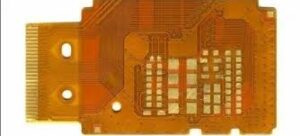
How Wave Soldering Differs From Reflow Soldering in PCB Manufacturing Assemblies
During the wave soldering process, a molten wave of solder passes over the PCB. This is facilitated by the application of liquid flux through a spray nozzle. The liquid flux promotes soldering and protects the components from oxidation and thermal stress. It’s important that the correct amount of flux is applied and the preheat cycle is optimized.
Once the melted solder is applied to the pads and component leads, it must be cooled down quickly to avoid causing any damage or voiding. The cooling process is characterized by a range of temperatures between 86 and 212 degrees Fahrenheit. This range allows for rapid cooling while ensuring that the joints are strong and durable. It’s essential that the boards are cooled in a way that doesn’t put too much stress on the components, as this could cause irreversible damage.
In both wave and reflow soldering, the right type of equipment and optimization of the process are essential to achieving quality results. Failure to do so can result in defects such as tombstoning, bridging, and cold solder joints. However, with proper planning and optimization, both processes can be effective for a wide variety of projects. This is particularly true when paired with manual touch-up soldering methods in confined or difficult to reach areas of the board. For example, a complex layout may require the use of selective soldering and manual touch-up techniques to ensure that all the connections are securely in place.