WorldAnimalFoundation.org is reader-supported. When you buy through links on our site, we may earn an affiliate commission. Learn More
Some dogs have the potential to win an eating contest. Some pups are so obsessed with food that they’d happily devour their meal, your snack, and anything remotely edible in sight. These dogs don’t just enjoy food—they live for it. If there’s a rustle of a snack bag or the faintest whiff of something delicious, they’ll be staring at you with those irresistible “please share” eyes.
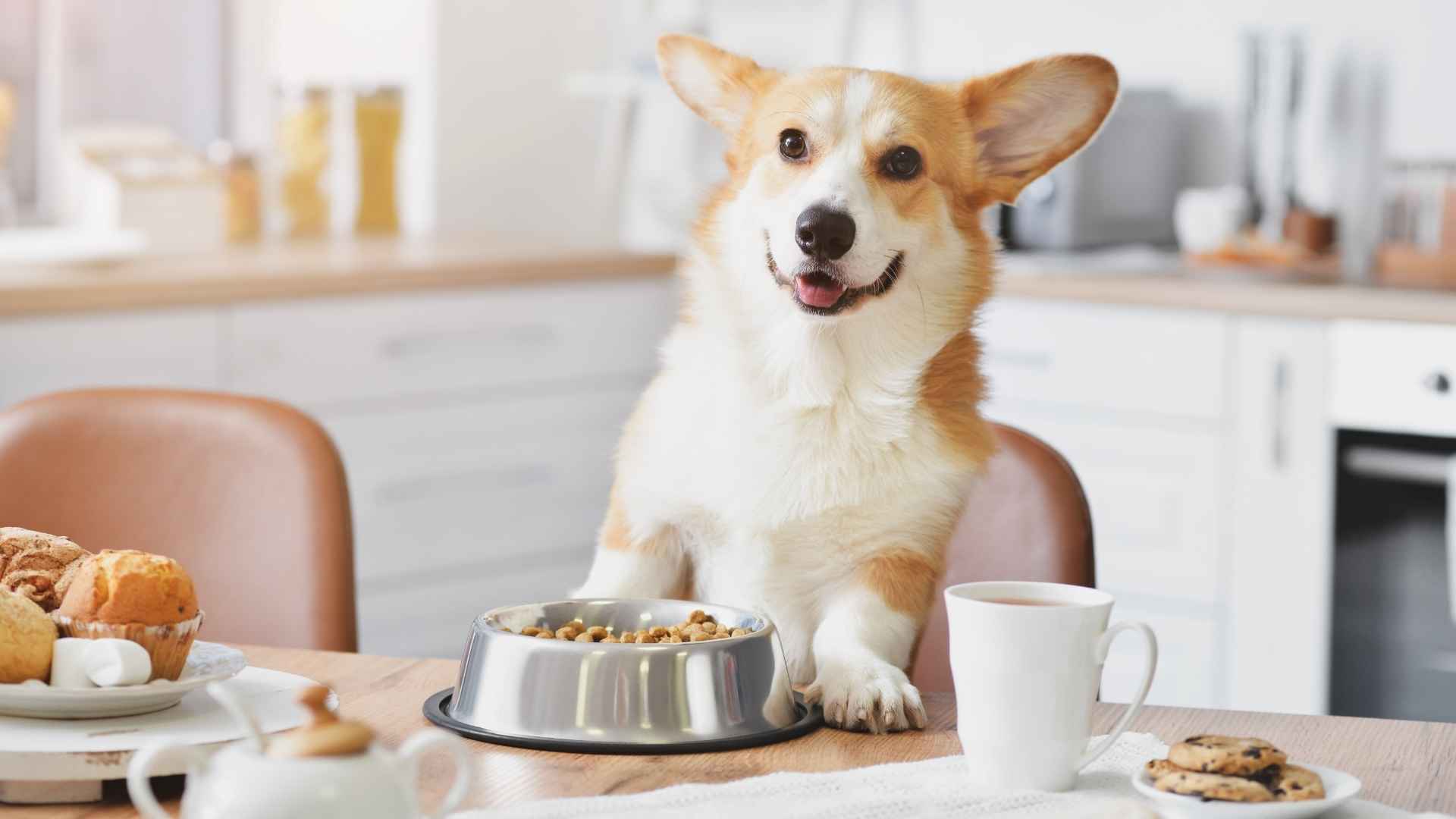
But why are some dogs so food-driven? It’s not just about being hungry. Some breeds are hardwired to have an insatiable appetite, whether due to their working history, fast metabolism, or just an innate love for anything edible. Their obsession can be hilarious, but it also means you need to be extra careful about portion control, training, and keeping your meals out of reach.
If you’re living with a four-legged food fanatic, you already know the struggle. But don’t worry—we’ve got all the details on the most food-obsessed breeds and how to manage their endless cravings!
Food Obsessed Dog Breeds
1. Labrador Retriever
Labrador Retrievers don’t just love food—they’re obsessed with it. If there’s a single crumb on the floor, they’ll find it. Labs have an insatiable appetite, and their ability to sniff out snacks is almost supernatural. Leftovers on the counter? Gone. Unattended dog food bag? Ripped open.
But why are Labs such bottomless pits? It’s not just enthusiasm—they have a genetic mutation that prevents them from feeling full. This means they’ll beg, steal, and perform Oscar-worthy “I’m starving” acts, even if they just finished dinner. Their metabolism is also fast, making them naturally more food-driven than other breeds.
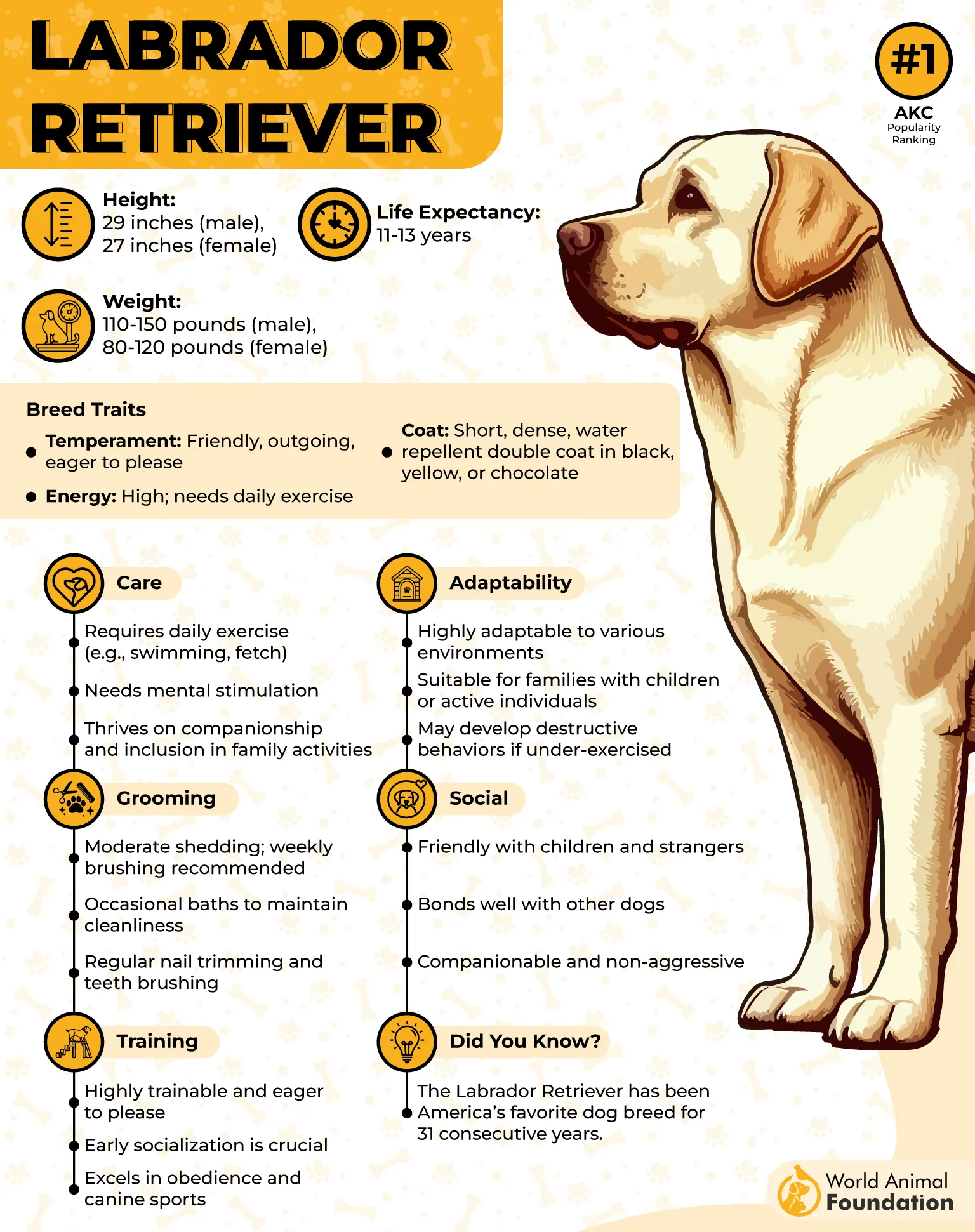
Ever noticed how Labs will do anything for a treat? That’s why they excel in training. Their food motivation makes them quick learners, says AKC, whether it’s obedience, agility, or complex tricks. Just make sure you don’t overdo the treats—Labs gain weight fast, and their love for food can easily turn into obesity.
If you own a Lab, you know the struggle. Meal times are a frenzy, and they’ll inhale their food like a vacuum. Many owners invest in slow-feeder bowls to prevent them from gulping everything down in seconds. It’s not just about overeating—Labs are prone to bloat, a dangerous condition that can be fatal if they eat too fast.
Exercise is key to managing a Lab’s appetite. These dogs were bred for work, so they need plenty of activity to burn off their endless energy. A bored, food-obsessed Lab will resort to scavenging, stealing, and even chewing on things that aren’t food (hello, shredded shoes!). Keep them active, and you’ll have a much happier, healthier pup.
2. Beagle

If food goes missing in your house, chances are your Beagle is the culprit. These little hounds have an unmatched sense of smell and an appetite to match. Beagles were developed as hunting dogs, which means their noses are always on high alert—especially when it comes to food. A dropped cookie? Consider it already eaten.
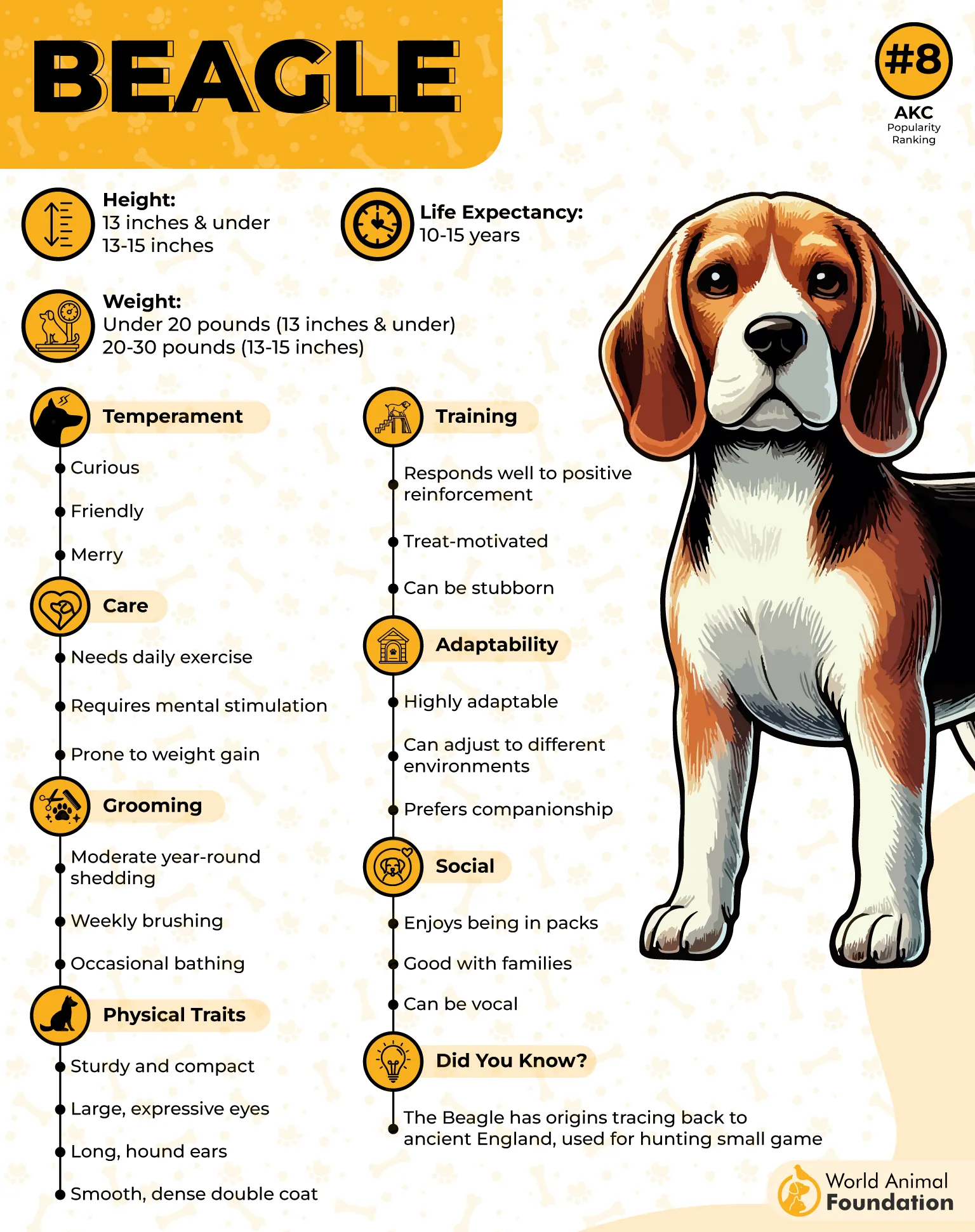
The reason why your Beagle acts like they’re starving all the time is not just greed—Beagles have a naturally high metabolism and a strong prey drive. In the wild, their ancestors had to constantly search for food, so that instinct still runs strong. Unfortunately, their stomachs haven’t quite caught up with their noses; they always think they’re hungry, even when they’re not.
Training a Beagle without food rewards is almost impossible. According to AKC, they’re independent, lovable, companionable sometimes stubborn dogs, but if there’s a treat involved? Suddenly, they’re listening like an A+ student. Beagle owners know that their pup’s favorite word is “snack,” using food wisely is the key to keeping them engaged and well-behaved.
These dogs don’t just eat—they devour. Their obsession with food makes them prone to obesity, which can lead to serious health problems like diabetes and joint pain. Using a slow feeder bowl and sticking to portion control is crucial if you want to keep them fit.
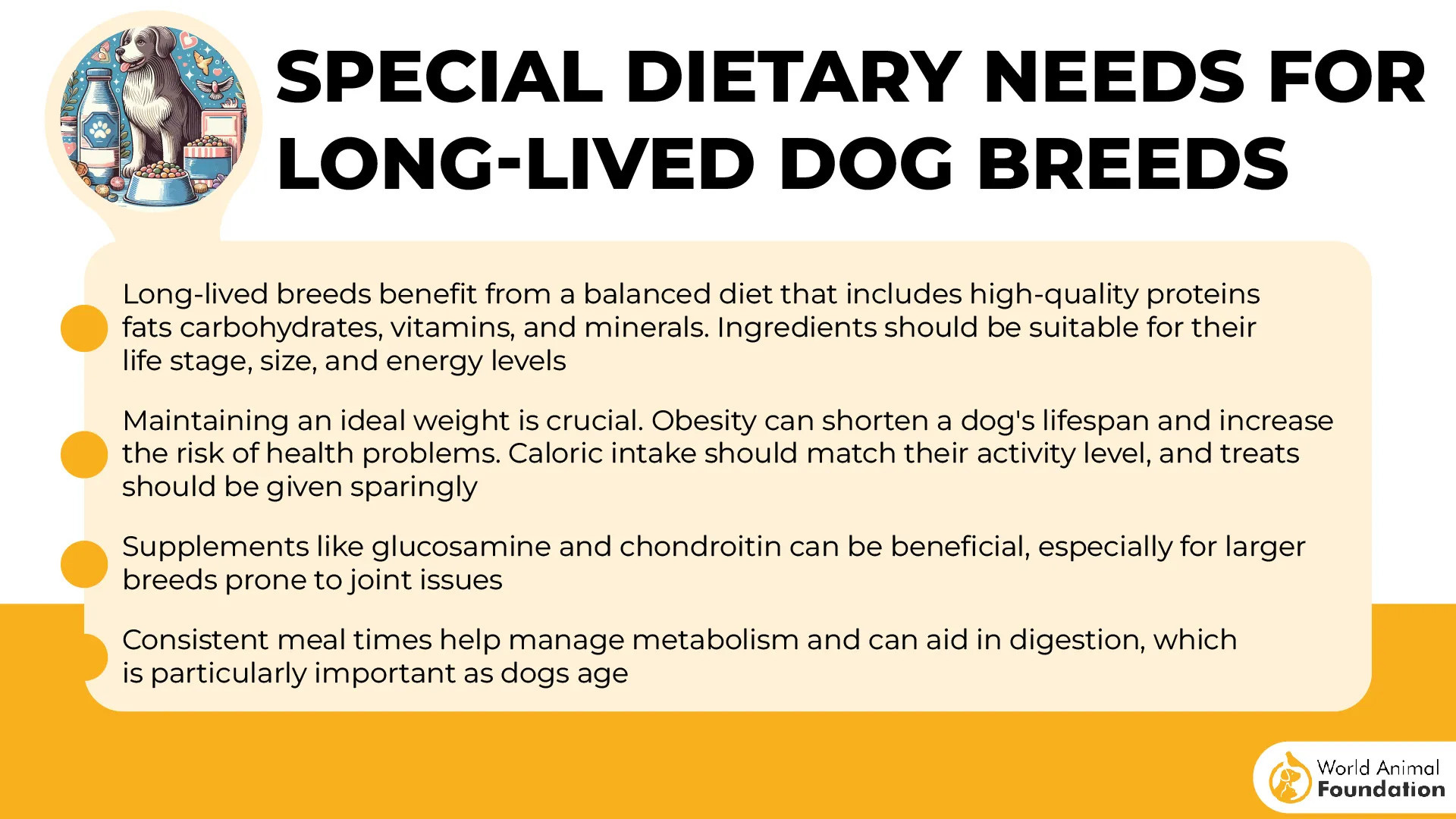
Despite their small size, Beagles need a ton of exercise to keep their weight in check. A lazy Beagle will turn into a food-obsessed scavenger, constantly sniffing out their next meal. Daily walks, scent games, and puzzle feeders are great ways to keep their nose and brain busy.
3. Dachshund

If you think size limits food obsession, you haven’t met a Dachshund. These long-bodied, short-legged charmers may be small in size, but their appetite is huge. Originally bred for hunting badgers, Dachshunds are fierce badger-hunting dogs, says WebMD. If there’s food within reach (or even slightly out of reach), a determined Dachshund will find a way.
Ever caught your Dachshund standing on their back legs, stretching like a circus performer just to snag a bite? That’s their problem-solving genius at work. These dogs are surprisingly agile despite their tiny legs and won’t hesitate to climb, jump, or burrow into whatever’s necessary to reach their prize.
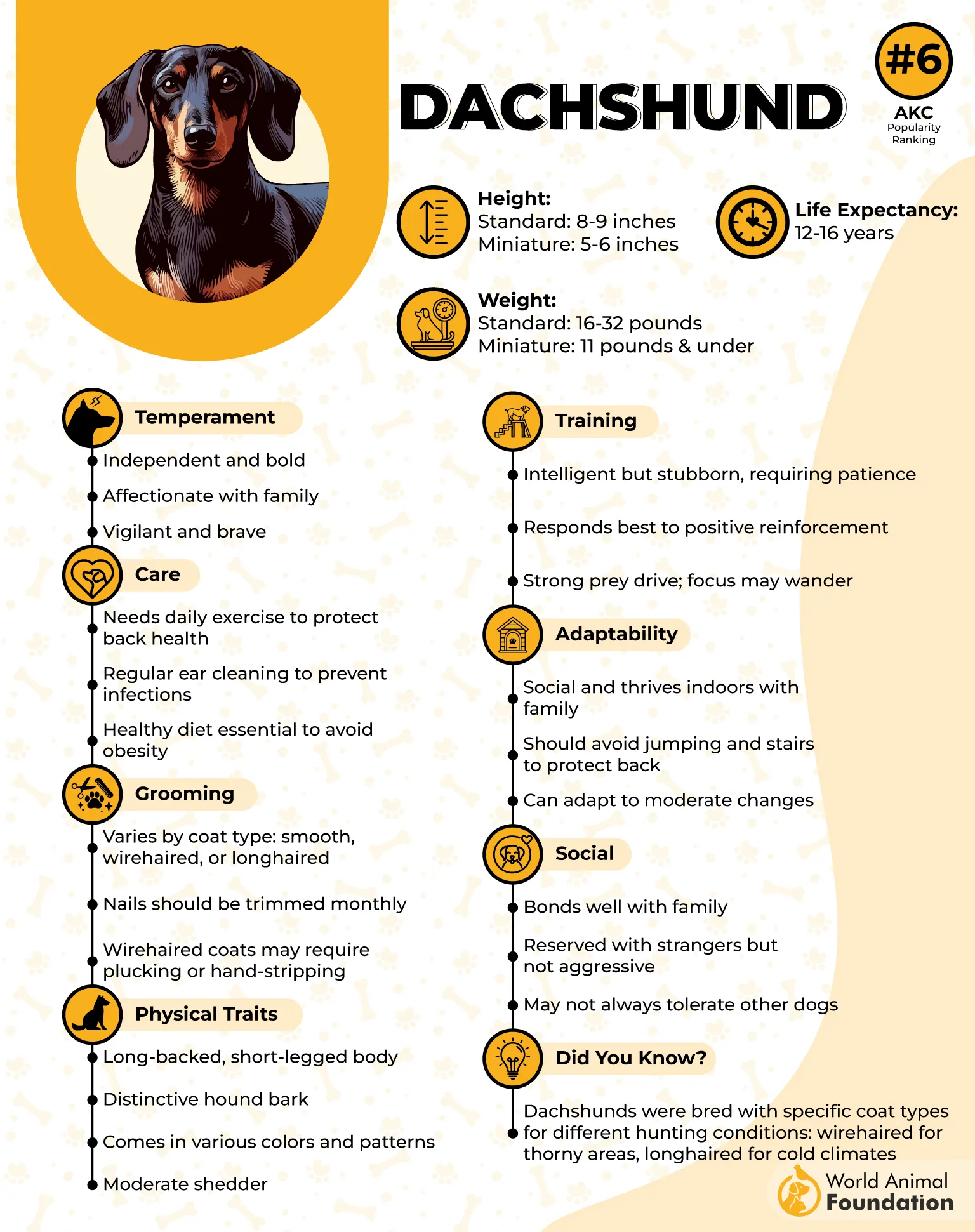
Dachshunds aren’t just food-obsessed—they’re food detectives. Their powerful noses make them excellent scavengers and have an uncanny ability to remember exactly where they last found food. If you drop a crumb under the couch, they’ll be there an hour later still searching for it.
Their hunting instincts drive them to seek food constantly. They would have needed to eat in the wild whenever possible, so their stomachs still think they should stock up just in case. The result? A never-ending hunger that keeps them on a mission.
Their love for food also makes them prone to obesity, which is especially dangerous for this breed. Since their long spines are already at risk for back problems, extra weight can lead to serious health issues like intervertebral disc disease (IVDD). Regular exercise and strict portion control are a must if you want to keep them healthy.
4. Pug

Pugs don’t just love food—they’re obsessed. They’ll inhale their meals like they’re afraid the food might run away. And let’s be real—if they see you eating, they assume they should be eating too. Whether it’s dog food, people food, or something they found (which you hope wasn’t food), a Pug will try to eat it.
Normally, they waddle around like little loafs of bread, but the moment they hear a bag rustling or smell something delicious, they turn into mini rockets. That slow, sleepy dog? Gone. Now you’ve got a speed demon racing to the kitchen like their life depends on it.
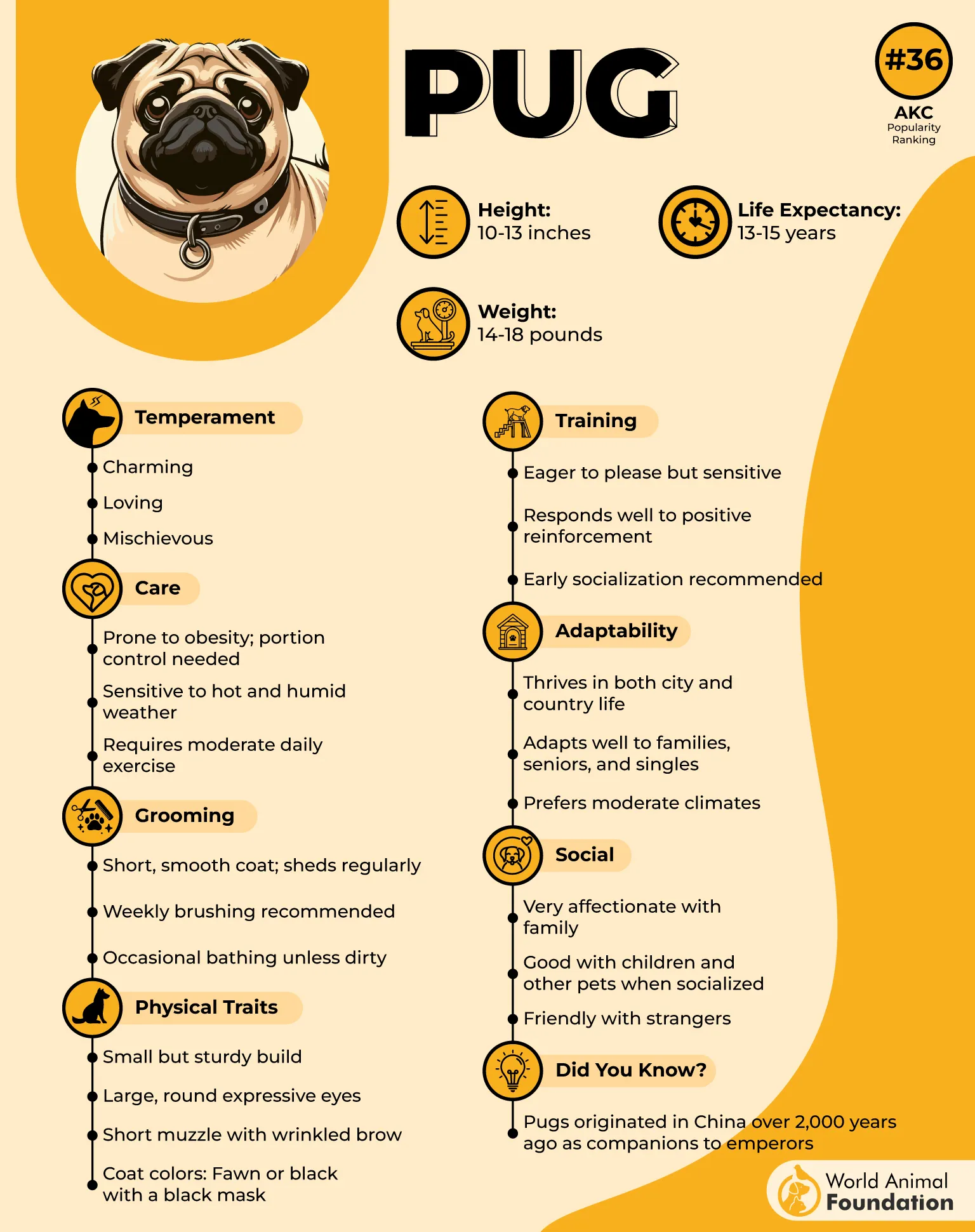
Pugs are also notorious food thieves. Leave a plate unattended, and it’s gone. These little masterminds have perfected the art of sneaky snacking. Some will act innocent, while others go full “criminal mode,” launching daring counter raids and stealing food straight off the table. The worst part? They look proud of their crimes.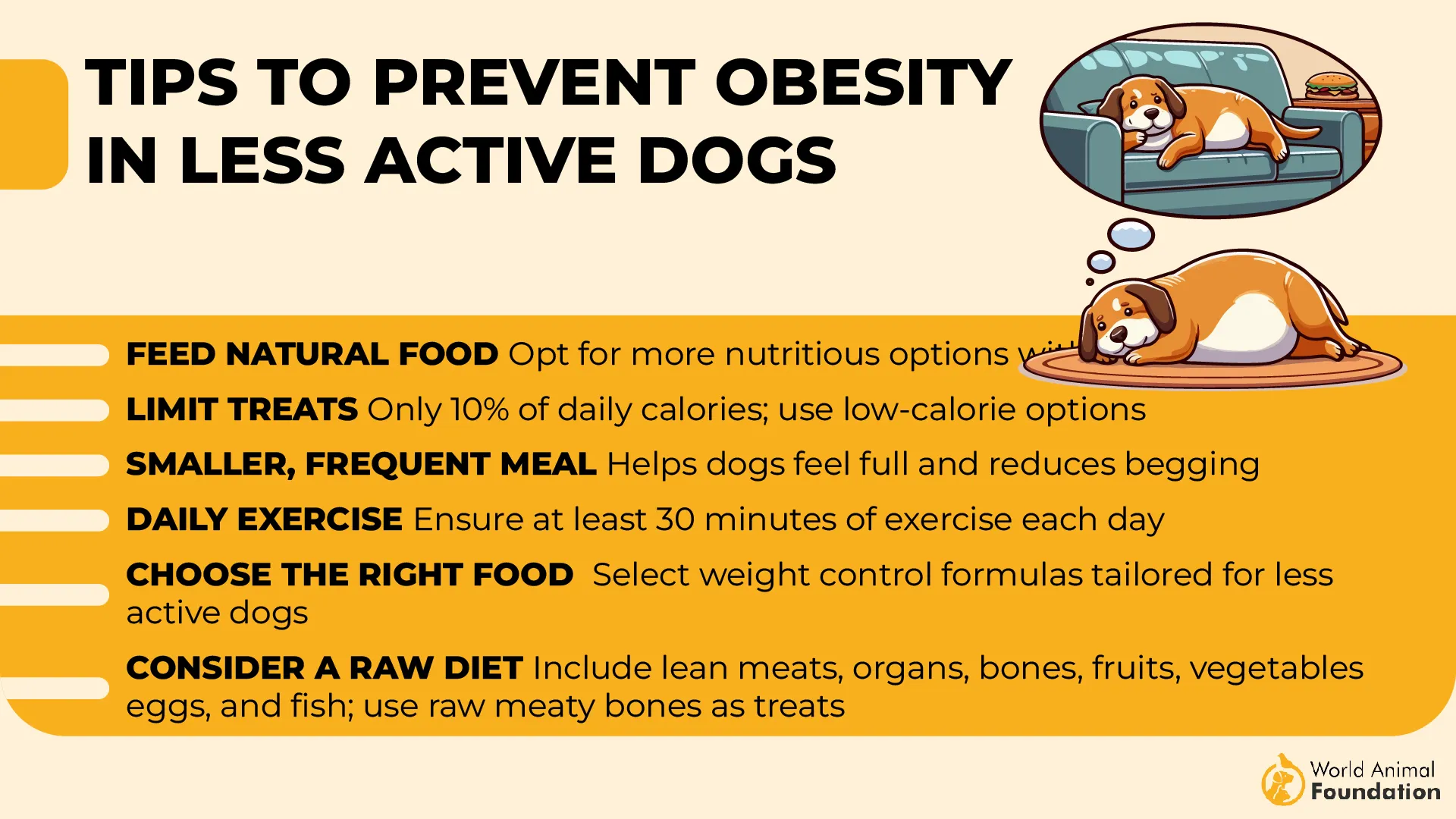
But as much as we love their food-driven antics, Pugs are prone to obesity, states PetMD. Their round little bodies and flat faces make it extra risky for them to gain weight. Overweight Pugs struggle with breathing problems, joint pain, and overheating. That means owners need to be extra strict about portion sizes—no matter how much those big, bulging eyes beg.
Pugs act like they’re starving, even after a full meal, and blame their history. They were bred as royal lapdogs; they spent centuries being spoiled with food and attention. Their instincts still tell them to ask for more—even when they definitely don’t need it.
5. Rottweiler

According to Petplan, Rottweilers may be strong, muscular guard dogs, but don’t be fooled—behind that tough exterior is a food-obsessed goofball. These dogs have a stomach that never seems to get full. They eat like they’re bulking up for a bodybuilding competition, and if you’re eating, they’ll sit next to you.
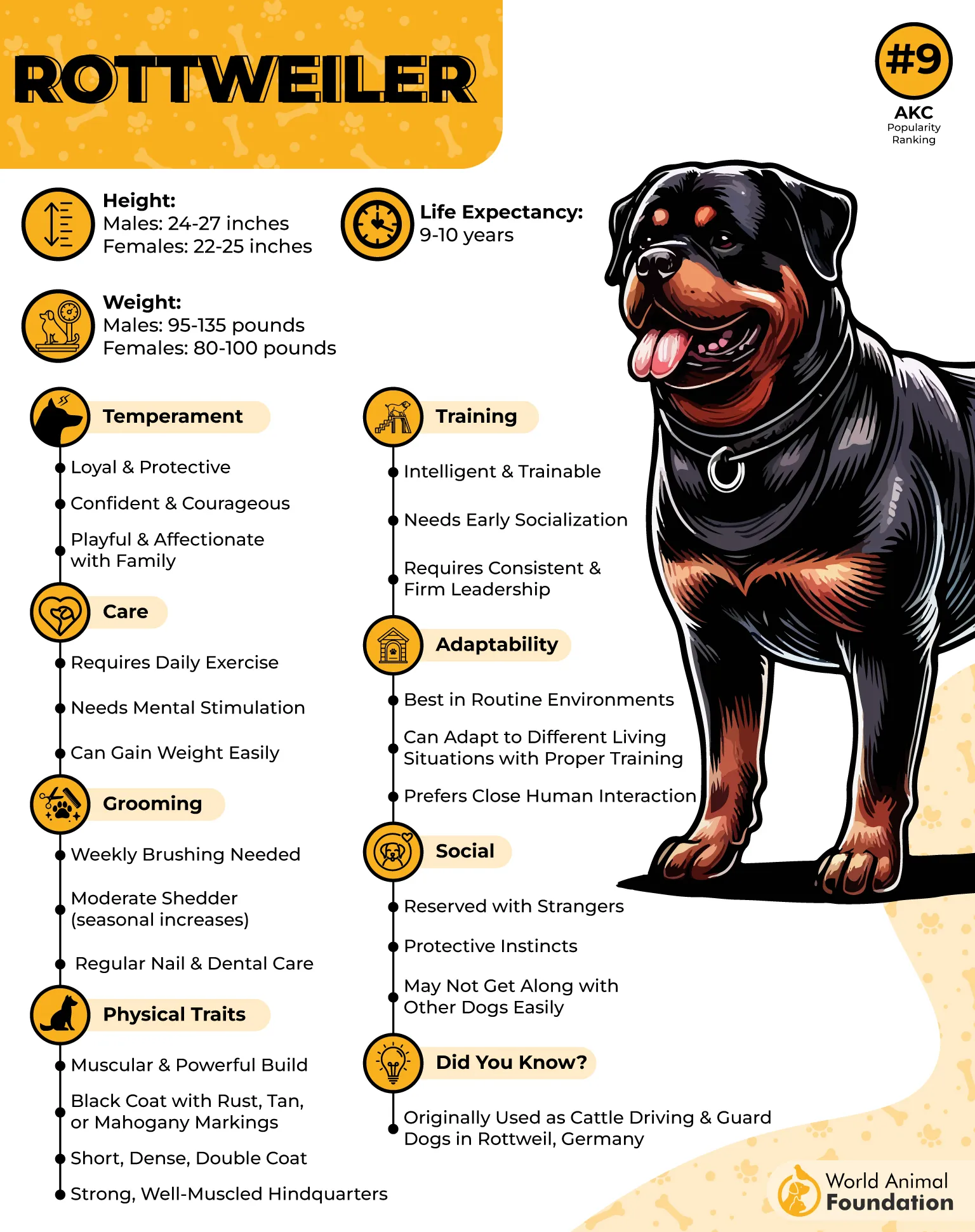
These dogs know how to work their size to their advantage. If staring doesn’t get them a treat, they’ll try the gentle nudge, the giant paw tap, or even the full-body lean—because, let’s be honest, it’s hard to say no when a 100-pound dog is leaning on you like a needy toddler.
Despite their impressive size, Rottweilers aren’t picky eaters. They’ll eat anything—dog food, human food, the leftovers you swore you put away, and sometimes even things that aren’t food (yes, socks are a Rottie delicacy). If it fits in their mouth, it’s fair game.
But here’s the tricky part: Rottweilers are prone to overeating. Their love for food, combined with their natural tendency to gain weight, makes portion control a must. If left to their own devices, they’ll eat until their stomachs are ready to explode—and then they’ll still look for more.
Training them? Use food rewards, and you’ve got the most obedient dog in the world. These dogs are incredibly smart, but their food obsession makes them even easier to train. Just hold a treat, and suddenly, they’re the most polite, well-behaved dog on the planet—until the treat is gone, of course.
6. Cocker Spaniel

Cocker Spaniels may look like angelic, floppy-eared cuties, says AKC. When it comes to food, they turn into sneaky little masterminds. These dogs have an unmatched ability to sniff out treats, snacks, and anything remotely edible—no matter where you hide it. Turn your back for a second, and your sandwich is gone, replaced by a pair of innocent puppy eyes that say, “What? I have no idea what happened.”
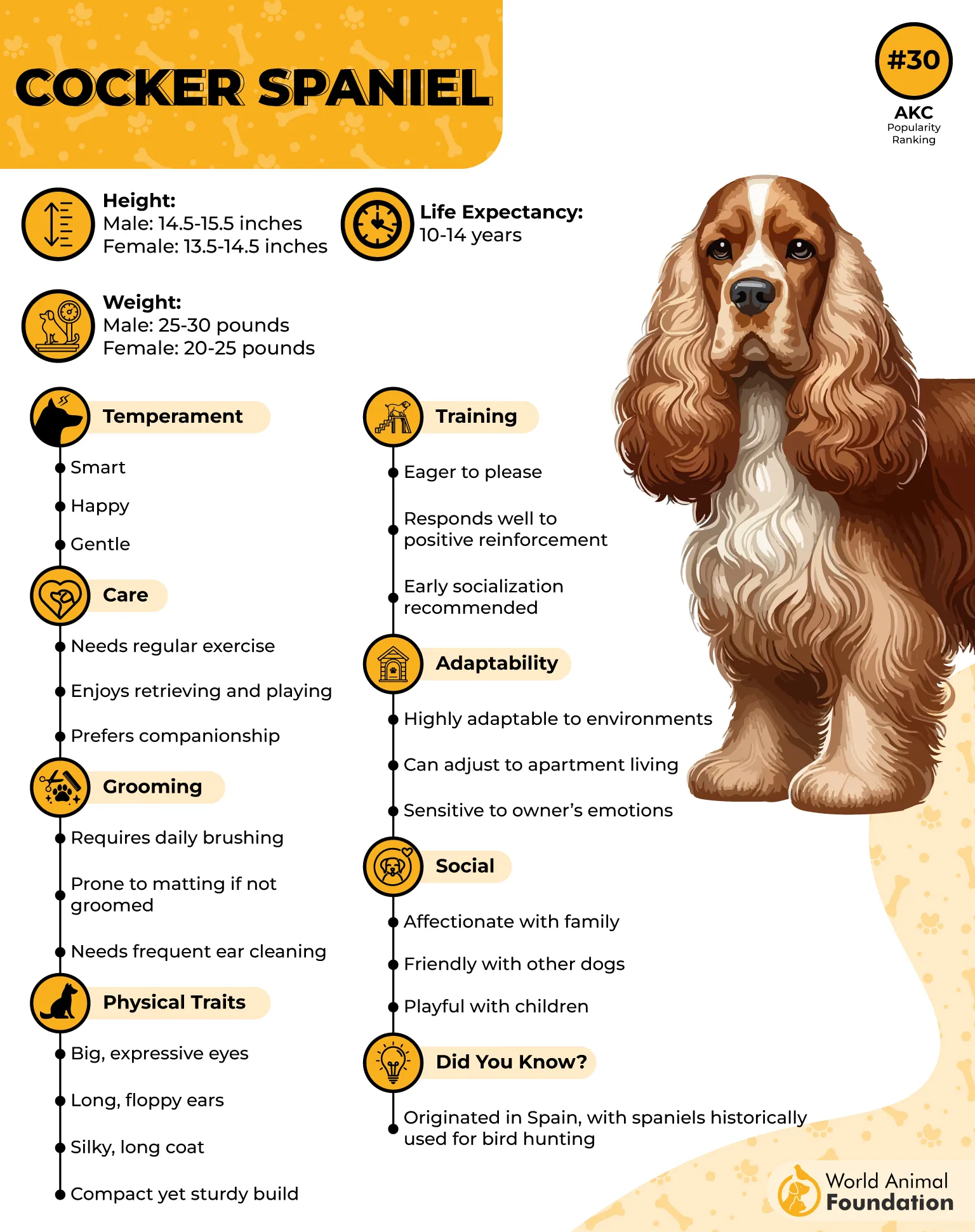
Cocker Spaniels are obsessed with variety when it comes to food. Dry kibble? Fine. Fresh food? Even better. A mix of both? Now we’re talking! These dogs develop strong preferences and can be a bit fussy—but don’t let that fool you. If they don’t like their dog food, they’ll still have no problem stealing whatever you’re eating.
These pups love treats, but here’s the tricky part—they gain weight easily. With their small-to-medium size, extra pounds show up fast, turning them from graceful to chubby little fluffballs. Owners need to balance their food obsession with exercise, or they’ll end up more round than athletic.
Cocker Spaniel eats very fast. It’s like watching a vacuum cleaner on turbo mode. They inhale food so quickly that they barely taste it. Slow-feeder bowls can help slow down the madness and prevent choking.
These dogs are naturally eager to please, and with the right treat, they’ll master any trick in no time. Just be warned—once they learn that training = snacks, they might start “forgetting” commands unless there’s food involved. (Smart little troublemakers, aren’t they?)
7. French Bulldog
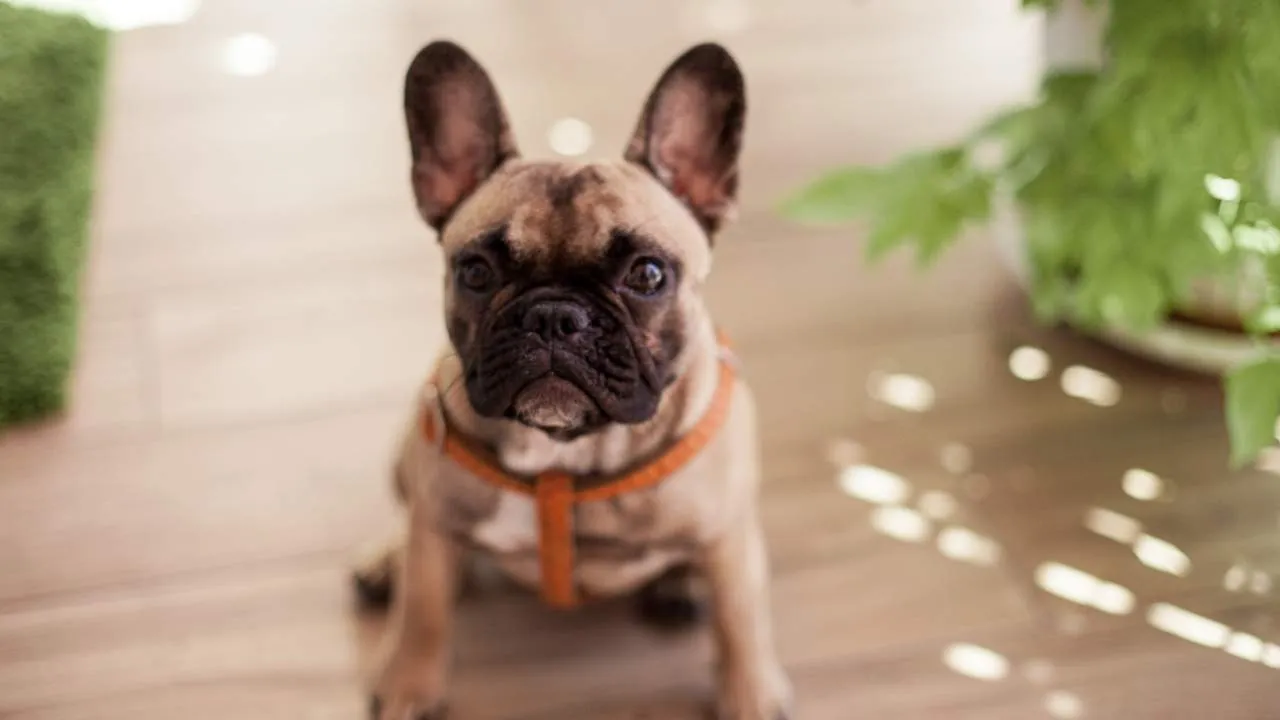
According to PDSA, French Bulldogs are small dogs, but their appetite is BIG. These little bat-eared charmers have an uncanny ability to sniff out food from miles away and will stop at nothing to get a taste. Whether it’s a snack in your hand, a crumb on the floor, or a full plate on the table (oops), your Frenchie is already plotting how to claim it as their own.
Ever tried eating a meal with a French Bulldog in the room? Good luck. They’ll stare you down with laser focus, drooling slightly, acting as if they haven’t been fed in weeks. Their silent, guilt-inducing gaze is impossible to ignore—sooner or later, you’ll cave in and share a bite.
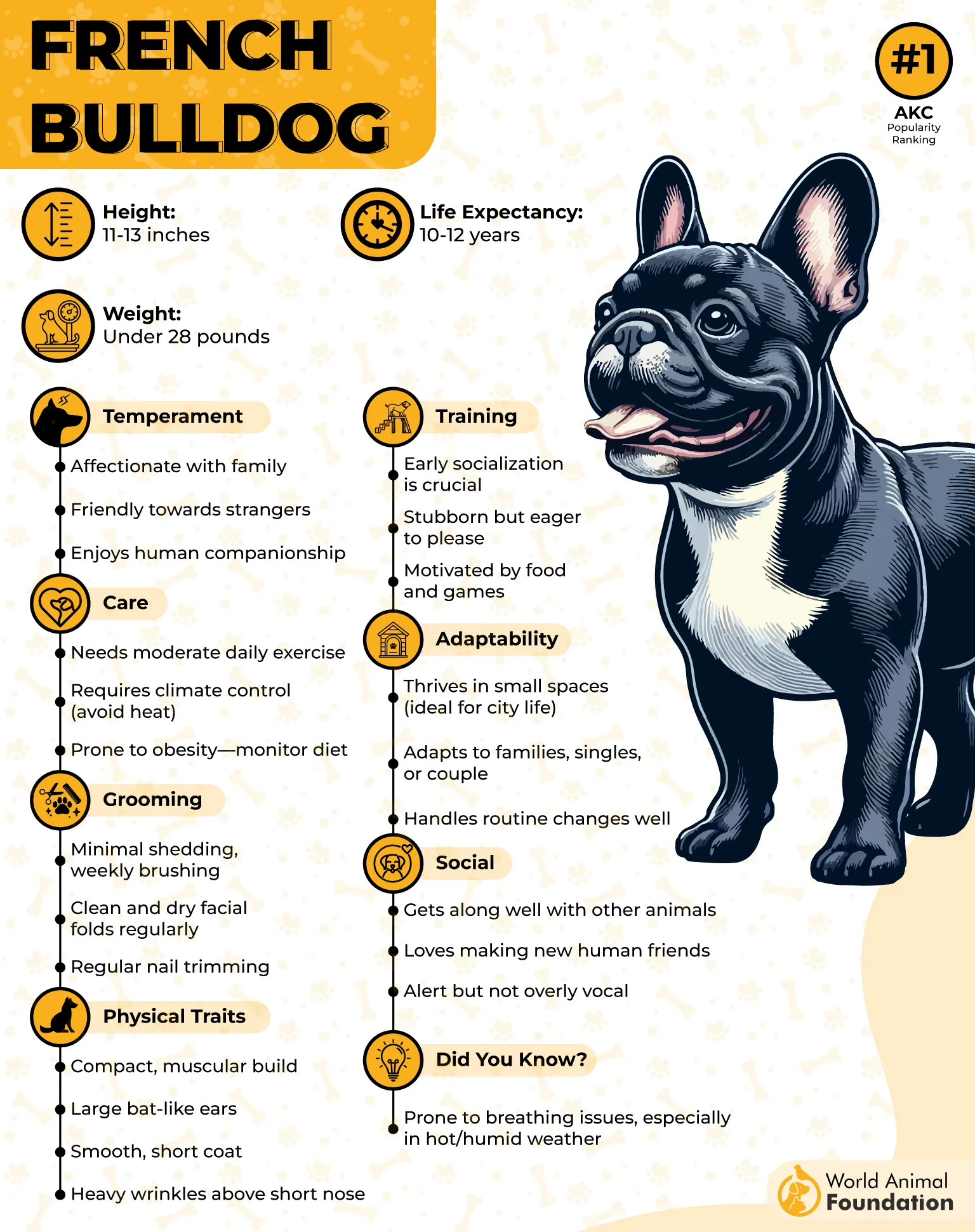
Frenchies are natural-born foodies, but they also have sensitive stomachs. While they’ll happily devour anything in sight, their digestive system doesn’t always agree. Rich foods, dairy, or anything too greasy can lead to gassy disasters. If you thought their snoring was loud, just wait until their stomach starts protesting a bad food choice.
Speaking of gas… let’s be honest—Frenchies are fart machines. Their short snouts make them gulp down air when eating, leading to some rather unpleasant side effects. Slow-feeder bowls can help reduce their speed-eating frenzy and save your house from becoming a gas chamber. (You’re welcome.)
If a French Bulldog figures out that whining, pawing, or looking extra cute results in snacks, they’ll exploit it forever. Many owners unknowingly train their Frenchies to beg without realizing it. One treat today? A lifelong begging habit tomorrow.
Fun Fact: French Bulldogs are master manipulators when it comes to food. They’ve perfected the “cute but starving” act so well that even the most disciplined owners give in. If you ever find yourself saying, “Just one more treat,” congratulations—you’ve been Frenchie-trained.
Conclusion
Food-obsessed dog breeds are well known for their insatiable and voracious appetites, making them both adorable and a challenge for pet parents trying to maintain a healthy weight for their furry friends. Many of these food-obsessed breeds, including the Labrador Retriever, Golden Retriever, Beagle, Pug, French Bulldog, Dachshund Parent, Pembroke Welsh Corgi, and Cavalier King Charles Spaniel, have a genetic makeup that increases their food drive. Some even have a mutated POMC gene, affecting their dog’s appetite and causing them to always feel hungry.
These dogs will happily gobble anything remotely edible, from dog food to hidden treats and even items they shouldn’t be eating. Since they were originally bred for tasks like hunting, retrieving, or even pulling meat carts, their metabolism and need for energy play a role in their food obsession. However, overindulging can lead to weight gain, obesity, and health problems, making portion control, smaller portions, and weight management essential for these breeds.
Managing a food-obsessed dog requires a structured dog routine, regular exercise, and monitoring their diet to avoid an increased risk of obesity. While their puppy-dog eyes, soulful eyes, and guilt-tripping expressions make it hard to resist feeding them extra snacks, it’s crucial to avoid free feeding and instead focus on scheduled meals with nutritious dog food. Training techniques, such as using treats as rewards instead of constantly feeding, can help curb the desire for an endless buffet. Incorporating activities like puzzle feeders can satisfy their obsessed dog tendencies by uncovering hidden treats in a controlled way.