
lifespan of a PCB prototype
The lifespan of a PCB prototype can vary based on several factors, including the materials used, the design complexity, and the operating environment. Generally, a PCB prototype is intended for testing and evaluation purposes, meaning that its lifespan may not be as long as that of a fully developed and manufactured PCB. However, understanding the potential durability of a PCB prototype is crucial for those involved in the development process, as it can affect the results of performance tests and simulations.
A PCB prototype is typically created to assess the design’s functionality and identify potential issues before moving to mass production. During this phase, the PCB may undergo several tests, such as electrical performance, thermal stability, and signal integrity. These prototypes are usually built using a combination of high-quality materials, but the construction methods may not always meet the stringent durability standards required for final products. As a result, a PCB prototype may have a shorter lifespan due to its experimental nature, but it should still be capable of withstanding several cycles of testing.
The lifespan of a pcb prototype can also be influenced by the materials used in its construction. For example, standard PCB materials such as FR4 are commonly used for prototyping, and they offer a good balance of cost, reliability, and performance. However, specialized materials such as Rogers or Teflon-based laminates, which are used for high-frequency applications, may extend the life of a PCB prototype due to their superior thermal and electrical properties. On the other hand, lower-quality materials may lead to a shorter lifespan, especially if the prototype is subjected to harsh environmental conditions like high humidity, extreme temperatures, or exposure to chemicals.
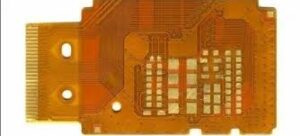
What is the lifespan of a PCB prototype?
Another key factor influencing the lifespan of a PCB prototype is the quality of the design and manufacturing process. Prototypes are often produced in small quantities, with a focus on speed rather than long-term durability. If there are design flaws, such as poor trace width or inadequate grounding, the prototype may fail prematurely. Additionally, the soldering process used in prototyping may not always be as precise as in mass production, leading to issues like weak solder joints or electrical shorts. These manufacturing inconsistencies can result in a reduced lifespan for the PCB prototype.
The operating environment also plays a significant role in determining how long a PCB prototype lasts. Prototypes are often tested in controlled laboratory settings, where the environmental factors are closely monitored. However, if the PCB prototype is deployed in a real-world scenario, such as inside a consumer product or industrial equipment, it may be exposed to fluctuating temperatures, mechanical stress, or moisture. These external factors can cause degradation of the PCB materials, leading to a shorter lifespan for the prototype.
Despite these challenges, the lifespan of a PCB prototype is generally sufficient for its intended purpose. It is designed to provide valuable insights into the functionality and design of the final product. Once testing is complete and any necessary modifications have been made, the PCB prototype is typically replaced with a more durable version for mass production. As long as the prototype is used within the parameters of its design, it should provide enough information to move the project forward without causing significant delays or issues.